

Why Window Upgrade Rebates Matter for Your Home Investment
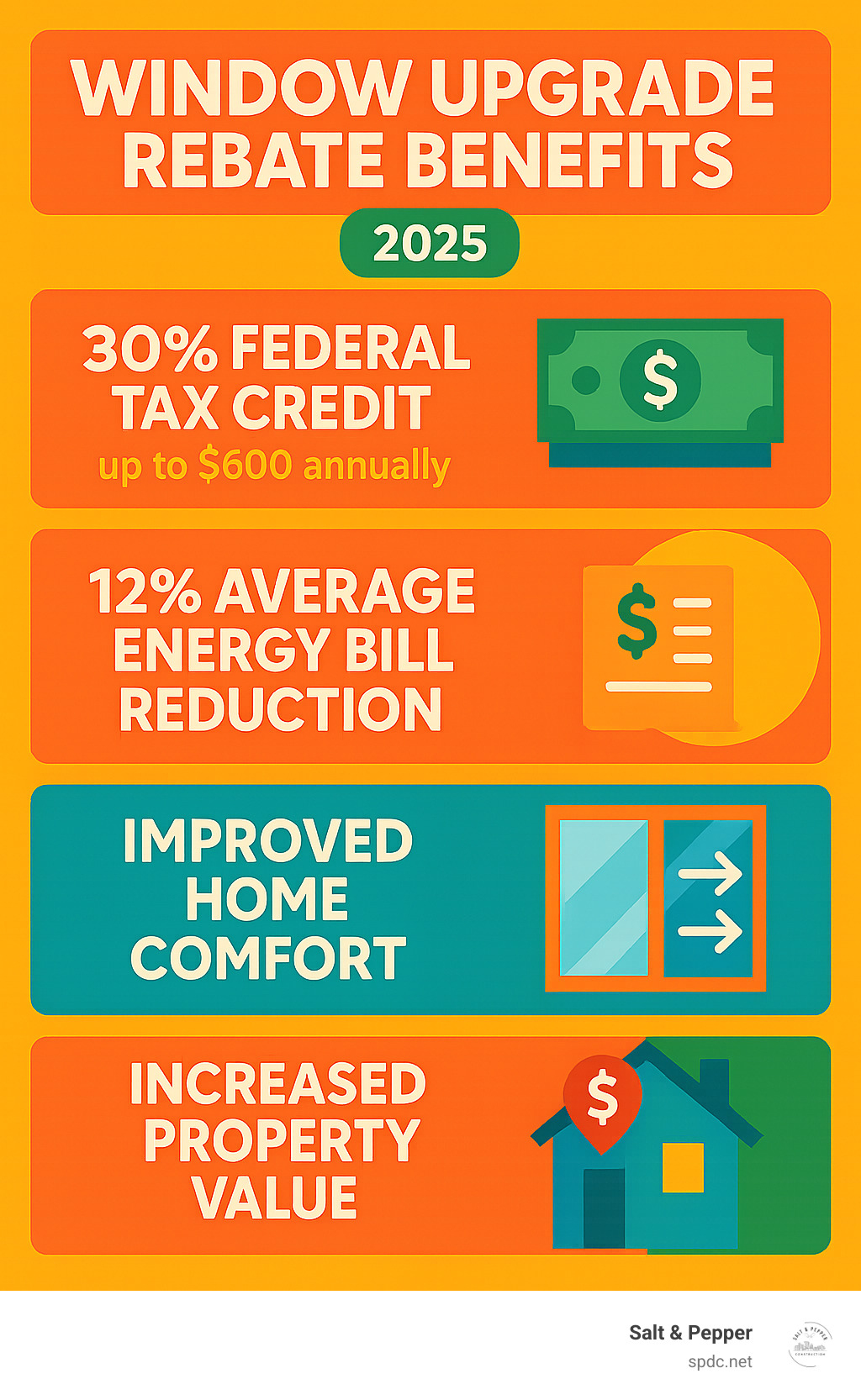
Window upgrade rebates offer Tampa homeowners significant financial incentives to modernize their homes while reducing energy costs. These programs include federal tax credits of up to $600 annually for qualifying windows, plus state and local rebates that can add thousands more to your savings.
Quick Answer: Available Window Upgrade Rebates
- Federal Tax Credit: 30% of costs, up to $600 per year for ENERGY STAR Most Efficient windows
- State/Local Rebates: Varies by location – typically $50-$100 per window
- Utility Programs: Additional cash rebates based on energy efficiency ratings
- Total Potential Savings: Can exceed $2,000 for whole-home window replacement
The numbers are compelling. Upgrading to ENERGY STAR certified windows lowers household energy bills by an average of 12%, while these rebate programs help offset the upfront investment costs. With the federal Inflation Reduction Act extending tax credits through 2032, there’s never been a better time to upgrade.
Key Requirements:
- Windows must meet ENERGY STAR Most Efficient criteria
- Professional installation required
- Primary residence only (for most programs)
- Applications must be submitted within specified timeframes
I’m John Doron, owner of Salt & Pepper Construction in Tampa, and I’ve helped countless homeowners steer window upgrade rebates to maximize their renovation investments. My experience with energy-efficient home improvements has shown me how these incentives can make premium window upgrades surprisingly affordable for Tampa families.
Simple window upgrade rebates glossary:
Open uping Savings: Federal Tax Credits vs. State & Local Rebates
Here’s the exciting part about window upgrade rebates – they come from multiple sources, and you can often combine them! Think of it as having several different piggy banks, each one helping fund your window upgrade project. The federal government offers tax credits, your state might have rebate programs, and even your local utility company could chip in with cash back incentives.

The biggest difference between these programs is how you actually get your money back. Federal tax credits reduce what you owe the IRS when you file your taxes. State and local rebates usually put cash directly back in your pocket or give you an upfront discount.
Here’s how they stack up:
| Feature | Federal Tax Credits | State/Local Rebates & Utility Programs |
|---|---|---|
| Source | U.S. Federal Government (IRS) | State governments, local municipalities, utility companies |
| Format | Reduction in tax liability (non-refundable for windows) | Cash back, discount, or direct payment |
| Application | Filed with your annual income tax return (IRS Form 5695) | Applied directly to program administrator (online or mail) |
| Eligibility | Generally broad, but specific product/home criteria apply | Highly localized, varying by region and specific program rules |
| Availability | Nationwide | Varies greatly by ZIP code and program funding |
Thanks to the Inflation Reduction Act, these opportunities have gotten much better. The federal government extended many clean energy incentives through 2032, giving Tampa homeowners plenty of time to plan their upgrades.
Understanding the Federal Energy Efficient Home Improvement Credit
The federal tax credit is your most reliable option because it’s available everywhere in the country. You can claim 30% of what you spend on qualifying windows, up to $600 per year. There’s also a bigger annual cap of $1,200 that covers windows plus other home improvements like doors, insulation, and certain HVAC equipment.
Here’s what makes this credit special: your windows must meet ENERGY STAR Most Efficient standards. This isn’t just regular ENERGY STAR certification – it’s the top tier that identifies the most energy-efficient products available.
The credit only applies to your primary residence in the United States. Since it’s a nonrefundable credit, it can reduce your tax bill to zero, but you won’t get a refund if the credit is bigger than what you owe. The good news? You can claim this credit every year through 2032, so you can spread out your window replacements and maximize your savings over time.
I always tell my Tampa clients to keep excellent records and consider consulting a tax professional to make sure they’re getting every dollar they deserve. You can find more details on the federal tax credit and explore other Eco-Friendly Home Improvements that qualify.
Finding State and Local Window Upgrade Rebates
While federal credits are the same everywhere, state and local programs are like treasure hunting – you never know what gems you’ll find in your area! For our Tampa Bay homeowners, this means checking what Florida, Hillsborough County, and local utility companies are offering.
These programs change frequently and often have limited funding, so they work on a first-come, first-served basis. Duke Energy and Tampa Electric both run energy efficiency programs that sometimes include window rebates. The amounts vary, but I’ve seen programs offer anywhere from $50 to $100 per qualifying window.
The easiest way to find what’s available right now is using online tools. Start with the Find Available Incentives Today! search tool from ENERGY STAR – just plug in your ZIP code and see what pops up. The Database of State Incentives is another goldmine of information.
Don’t forget to call your utility company directly. Their customer service representatives often know about programs that aren’t well-advertised online. Some utility rebates can be surprisingly generous, especially when combined with federal tax credits.
The key with local window upgrade rebates is timing. These programs can run out of funding quickly, especially during peak renovation seasons. When you find an eligible program, move fast to secure your spot. Check out more Home Upgrade Rebates that might apply to your Tampa home improvement project.
How to Find and Qualify for Window Upgrade Rebates
Finding the right window upgrade rebates is like putting together a puzzle – you need the right pieces to complete the picture. The good news? Once you understand what qualifies, the savings can be substantial. Let’s walk through exactly what you need to know to make sure your window upgrade earns you every rebate dollar available.
Are Your New Windows Eligible?
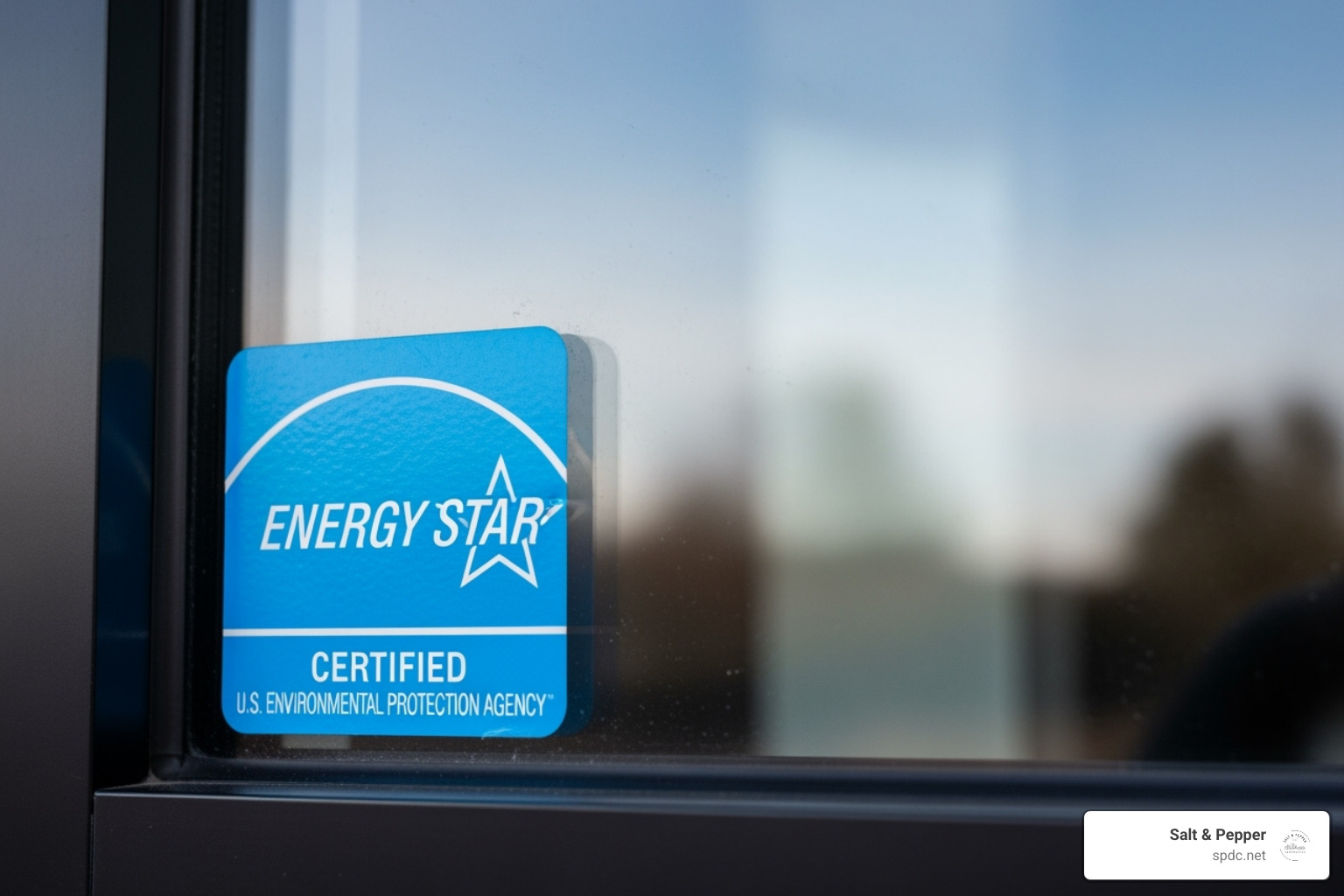
Here’s where many homeowners get tripped up – not every new window qualifies for rebates. The magic words you’re looking for are ENERGY STAR certification, and for federal credits, the even stricter ENERGY STAR Most Efficient designation.
Think of these certifications as your window’s report card. Just like a straight-A student, qualifying windows must excel in two key areas: keeping heat in during winter and blocking unwanted heat during our Florida summers.
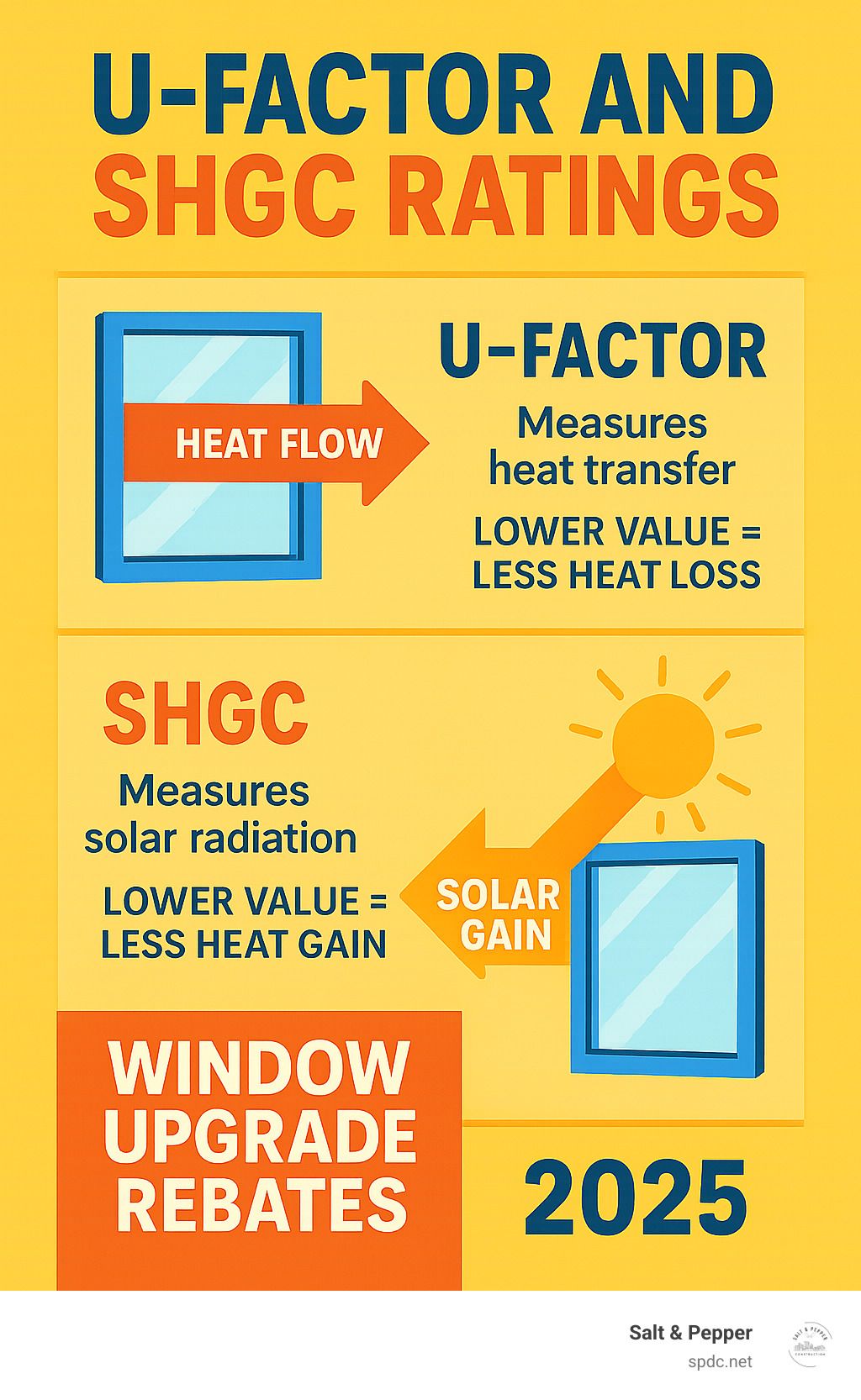
The U-factor measures how well your window prevents heat from escaping. Lower numbers mean better insulation – exactly what you want when your air conditioning is working overtime in July. The Solar Heat Gain Coefficient (SHGC) tells you how much solar heat gets through. In our sunny climate, you definitely want a lower SHGC to keep cooling costs down.
These performance standards vary by climate zones, and Florida’s requirements differ from what you’d need in Minnesota. Every qualifying window comes with an NFRC label that shows these ratings clearly. The National Fenestration Rating Council provides independent testing, so you know the numbers are reliable.
To double-check if your chosen windows qualify, you can Search the NFRC Certified Product Directory. Look for that green shading in your climate zone – it’s your green light for rebate eligibility.
Home and Residency Requirements
Your home itself needs to meet certain criteria for window upgrade rebates. The federal tax credit requires the upgrade to be on your principal residence – the place you call home most of the year. This makes sense since the goal is helping homeowners improve their living conditions and energy efficiency.
Most programs focus on existing homes rather than new construction. The idea is to upgrade America’s existing housing stock to be more energy efficient. If you’re building new, you’ll typically need to meet current building codes anyway.
Ownership matters for most window rebate programs. Renters usually can’t claim federal tax credits for windows since these improvements typically belong to the landlord. However, some utility programs might have different rules, especially if you’re responsible for the energy bills.
Multifamily properties can be trickier. If you own a duplex or small multi-unit building, you might qualify for residential programs. Larger properties often fall under commercial programs with different rules and potentially better incentives.
Understanding these requirements upfront saves you from disappointment later. At Salt & Pepper, we help Tampa homeowners steer these details to ensure your window upgrade qualifies for maximum savings. We know the Best Ways to Improve Home Energy Efficiency for your specific situation and can guide you through the entire process.
The Application Process: From Paperwork to Payday
Getting your window upgrade rebates might seem daunting at first, but I promise it’s more straightforward than you think! After helping dozens of Tampa families through this process, I’ve learned that success comes down to following the right steps and keeping good records. Let’s walk through this together, from start to finish.

Step-by-Step Guide to Claiming Your Incentives
Think of claiming your window upgrade rebates like following a recipe – get the ingredients right, follow the steps in order, and you’ll get the results you want. Here’s the proven process I guide my clients through:
Start with a home energy audit if possible. While not always required, this professional assessment helps identify which upgrades will give you the biggest bang for your buck. The best part? You can claim a 30% tax credit on the audit cost, up to $150. Some utility programs, particularly in other states, actually require this step before approving window rebates. You can get a professional home energy assessment to get started.
Purchase your qualifying windows next. This sounds obvious, but timing matters here. Make sure the windows meet all the ENERGY STAR Most Efficient criteria we discussed earlier. Double-check those U-factor and SHGC ratings – they’re your ticket to savings.
Professional installation is non-negotiable for most programs. The federal tax credit and virtually all rebate programs require licensed contractor installation. This isn’t just red tape – proper installation ensures your windows perform as intended and actually deliver those energy savings.
Document everything as you go. I can’t stress this enough! Keep every receipt, take photos of NFRC labels before installation, and save all paperwork. Think of it as building your savings portfolio.
Claim your federal credits when you file taxes for the year your windows were installed. You’ll use IRS Form 5695, and for installations after 2024, you’ll need the manufacturer’s four-digit QM code. Claim the federal credit using IRS Form 5695 when tax season rolls around.
Submit rebate applications promptly to state, local, or utility programs. These typically have tight deadlines – often 60 to 90 days from installation. The good news? Most applications are online now, and rebate checks usually arrive within a few weeks of approval.
What Documentation Do I Need for Window Upgrade Rebates?
Here’s where being organized really pays off. I tell my clients to think of documentation as their “proof of savings” – without it, those rebates disappear into thin air.
Itemized invoices are your foundation. These must clearly separate window costs from installation labor, since labor typically doesn’t qualify for federal credits. Include purchase and installation dates, and make sure your contractor’s information is complete.
NFRC stickers are absolutely critical. These little labels prove your windows meet efficiency standards. I always recommend photographing them before installation or getting the Certified Product Directory number from your contractor. These numbers are like fingerprints for your windows – unique identifiers that prove eligibility.
Manufacturer certification statements provide additional backup. Some manufacturers include letters or certificates confirming their products meet ENERGY STAR Most Efficient standards. Keep these with your other documentation.
Contractor details matter more than you might think. Program administrators want to verify that licensed professionals handled the installation. Keep your contractor’s business name, license number, and contact information handy.
Program-specific forms vary by rebate program, but they’re usually straightforward. Fill them out completely and accurately – incomplete applications cause delays and sometimes disqualifications.
Store copies of everything you submit, and keep originals in a safe place. I’ve seen too many homeowners miss out on rebates because they couldn’t find the right paperwork when needed.
Finding a Qualified Contractor and Financing
Choosing the right contractor makes all the difference between a smooth rebate process and a headache-inducing mess. After years in this business, I’ve learned what separates the pros from the pretenders.
Look for contractors with rebate experience first. Many utility companies maintain lists of approved contractors who understand the ins and outs of window upgrade rebates. These contractors know which windows qualify, how to document installations properly, and can guide you through the application process.
Verify licenses and insurance before signing anything. This protects you legally and ensures your project meets program requirements. Most rebate programs require professional installation by licensed contractors, so this step is crucial.
Get multiple detailed quotes to compare not just pricing, but also the contractor’s knowledge of energy efficiency programs. A contractor who asks about your rebate plans and discusses window performance ratings is usually more experienced than one who focuses only on price.
At Salt & Pepper, we’ve helped countless Tampa homeowners steer these programs successfully. Our experience with energy-efficient installations means we understand both the technical requirements and the paperwork needed to secure your rebates.
Financing your window upgrade doesn’t have to strain your budget. Several options can help spread costs while you wait for rebates to arrive.
Utility financing programs often offer the best deals. Companies like Duke Energy and Tampa Electric frequently provide low-interest or even 0% financing for energy efficiency upgrades. Check with your local provider first.
FHA PowerSaver loans make financing easier by having the Federal Housing Administration insure private lenders for energy improvement loans. These aren’t direct government loans, but they help homeowners qualify for better terms. Find more info on the FHA PowerSaver Loan Program to explore this option.
Home equity options like HELOCs let you borrow against your home’s value, often at competitive rates. Since window upgrades increase home value, this can be a smart financial move.
Contractor financing is another possibility, though terms vary widely. Some window companies offer promotional rates, but always compare these against other options before deciding.
The key is comparing interest rates, terms, and fees across all options. Your rebates and tax credits will help offset the investment, making quality energy-efficient windows more affordable than you might expect.
The Big Payoff: Energy Efficiency and Long-Term Savings
The real magic of window upgrade rebates isn’t just the upfront savings – it’s the gift that keeps on giving through improved energy efficiency. Think of it as investing in your home’s future comfort and your wallet’s happiness!
When you upgrade to ENERGY STAR certified windows, you’re looking at an average of 12% reduction in your household energy bills. That might not sound like a fortune, but it adds up beautifully over time. For most homeowners, this translates to annual savings between $101 and $583, depending on your home’s size and Florida’s climate demands.
Here’s where those savings really shine. Reduced energy bills happen because old windows are basically energy vampires – they suck the cool air right out of your home during Tampa’s scorching summers and let precious heat escape during those surprisingly chilly winter nights. New, high-performance windows act like a thermal shield, keeping your HVAC system from working overtime.
The improved home comfort is something you’ll notice immediately. No more sitting by a window and feeling like you’re outside! Those annoying drafts disappear, and you won’t have hot spots where the afternoon sun beats through inefficient glass. Your home maintains a consistent, comfortable temperature throughout.
Increased property value is another sweet bonus. When potential buyers see new, energy-efficient windows, they see a home that’s been well-maintained and won’t cost them a fortune to heat and cool. It’s an investment that often pays for itself when you sell.
Let’s not forget the reduced carbon footprint. By using less energy, your home contributes less to greenhouse gas emissions. Efficient windows block 70% or more of solar heat gain in summer while reflecting radiant heat back indoors during winter. You’re literally wrapping your home in an energy-saving blanket!
The savings get even better when you combine window upgrades with other improvements like a Home Insulation Upgrade or Energy Efficient HVAC Systems. It’s about creating a complete energy-efficient envelope that works together to maximize your comfort and minimize your bills.
At Salt & Pepper, we’ve seen how these upgrades transform both homes and monthly budgets. The combination of immediate rebate savings and long-term energy efficiency makes window replacement one of the smartest investments Tampa homeowners can make.
Frequently Asked Questions about Window Incentives
Navigating window upgrade rebates and tax credits can feel overwhelming at first. Don’t worry – you’re not alone! After helping countless Tampa homeowners through this process, I’ve noticed the same questions come up again and again. Let me share the answers that will help you make the most of these fantastic opportunities.
Can I claim both a federal tax credit and a state rebate for the same windows?
This is probably the most exciting question we get, and the answer is usually yes! You can often stack these incentives, which means more money back in your pocket. It’s like finding out you can use both a store coupon and a manufacturer’s coupon on the same purchase.
Here’s how it works in practice: Let’s say you install $3,000 worth of qualifying windows and receive a $300 utility rebate from Tampa Electric. You would subtract that $300 rebate from your total cost, leaving you with $2,700. Then you calculate your 30% federal tax credit on that reduced amount, giving you an additional $810 credit on your taxes.
The key rule to remember is that public utility rebates typically need to be subtracted from your total costs before calculating the federal credit. However, most state energy efficiency incentives don’t need to be subtracted unless they qualify as a specific type of rebate under federal tax law.
My advice? Keep detailed records of all incentives you receive, and definitely consult with a tax professional. They can help ensure you’re maximizing your savings while staying on the right side of IRS rules.
Are there lifetime limits on these credits or rebates?
The good news about federal tax credits is that they reset every year! The window upgrade rebates from the federal government have an annual limit of $600 for windows, with an overall annual cap of $1,200 for all qualifying home improvements combined. But here’s the beautiful part – you can claim this credit year after year through 2032.
This means you could replace half your windows one year and claim the credit, then finish the rest the following year and claim it again. It’s perfect for homeowners who want to spread out their renovation costs over time.
State and local programs are a different story entirely. Some have lifetime limits per property, while others reset annually. For example, some utility programs limit you to a certain dollar amount or number of windows over the entire life of the program. Others might refresh their funding each year.
The best approach is to check each program’s specific terms before you start your project. This way, you can plan your upgrades strategically to maximize your total savings.
Do I need a home energy audit to qualify?
For the federal tax credit, the answer is no – you don’t need an energy audit to qualify for window upgrade rebates. The IRS doesn’t require it, which makes the process simpler for most homeowners.
However, some state and utility programs do require an energy assessment before you can receive their rebates. These programs want to ensure you’re making the most impactful improvements for your specific home. It’s their way of making sure the money goes toward upgrades that will truly make a difference.
Even when it’s not required, I often recommend starting with an energy audit anyway. Think of it as getting a personalized roadmap for your home’s energy efficiency journey. The audit itself can qualify for its own federal tax credit – 30% of the cost up to $150 – so it practically pays for itself.
Plus, an energy audit helps you prioritize which improvements will give you the biggest bang for your buck. You might find that combining new windows with better insulation or upgrading your HVAC system could multiply your energy savings. You can learn about home energy audits to see if it makes sense for your situation.
At Salt & Pepper, we’ve seen how the right combination of improvements can transform both your comfort and your utility bills. Sometimes that energy audit reveals opportunities you never knew existed!
Conclusion
What an incredible journey we’ve taken through window upgrade rebates! From understanding the difference between federal tax credits and local utility programs to navigating the application process, you now have all the tools you need to make smart, money-saving decisions for your home.
The numbers speak for themselves. With federal tax credits offering 30% back (up to $600 annually), plus state and local rebates that can add hundreds or even thousands more, these programs make premium window upgrades surprisingly affordable. But the real magic happens after installation – when you start seeing that 12% average reduction in your energy bills month after month.
Think about it: you’re not just getting beautiful new windows that boost your home’s curb appeal and value. You’re creating a more comfortable living space where drafts are history and temperature swings are a thing of the past. Your HVAC system gets a break from working overtime, your family enjoys consistent comfort year-round, and you’re doing your part for the environment too.
Here in Tampa, Clearwater, and Riverview, we understand the unique challenges of our climate. Those scorching summer afternoons and occasional chilly winter evenings demand windows that can handle it all. That’s where our expertise at Salt & Pepper comes in. We’ve helped countless local families steer these window upgrade rebates while delivering the quality craftsmanship that makes every project worthwhile.
The federal programs run through 2032, so there’s no need to rush – but there’s also no reason to wait. Every month you delay is another month of higher energy bills and missed comfort opportunities. Plus, many local utility programs operate on limited funding, so acting sooner rather than later often pays off.
Don’t let paperwork intimidate you. Yes, there are forms to fill out and documentation to gather, but the payoff is substantial. And you don’t have to go it alone – we’re here to guide you through every step, from selecting ENERGY STAR Most Efficient windows to ensuring your installation meets all program requirements.
Ready to transform your home while keeping more money in your pocket? Start your Tampa home renovation project today! Let’s turn those old, inefficient windows into beautiful, money-saving assets that you’ll enjoy for decades to come.


