

A kitchen remodel can transform a home, enhancing its functionality and aesthetic appeal. This process involves updating appliances and finishes, rethinking the layout, and maximizing the available space.
Planning your kitchen remodel is crucial, as a well-thought-out approach can result in a more efficient and enjoyable cooking environment. Investing time in the planning stage pays dividends in the outcome.
Setting a Budget
Establishing a budget is a foundational step in any remodeling project. Assess your financial situation and determine how much you can allocate to the kitchen remodel, considering both materials and labor costs.
Balancing wants versus needs is essential. Identify must-have functionalities, such as storage and appliance efficiency, and compare them against desired aesthetic upgrades to create a realistic budget that addresses both.
Choosing a Kitchen Layout
The Classic Work Triangle
The work triangle concept optimizes kitchen efficiency by minimizing the distance between the stove, sink, and refrigerator. This classic layout promotes ease of movement, enhancing the culinary experience.
Open vs. Closed Kitchen Concepts
Deciding between an open or closed kitchen depends on your lifestyle. Open kitchens encourage social interactions, while closed layouts offer more privacy and can create a more formal atmosphere.
Popular Kitchen Layouts
Several kitchen layouts are favoured for their ergonomics and functionality:
- L-shaped: Ideal for small spaces; promotes a natural workflow.
- U-shaped: Offers ample counter space and storage; excellent for multitasking.
- Gallery: Best for efficiency; utilizes narrow spaces effectively.
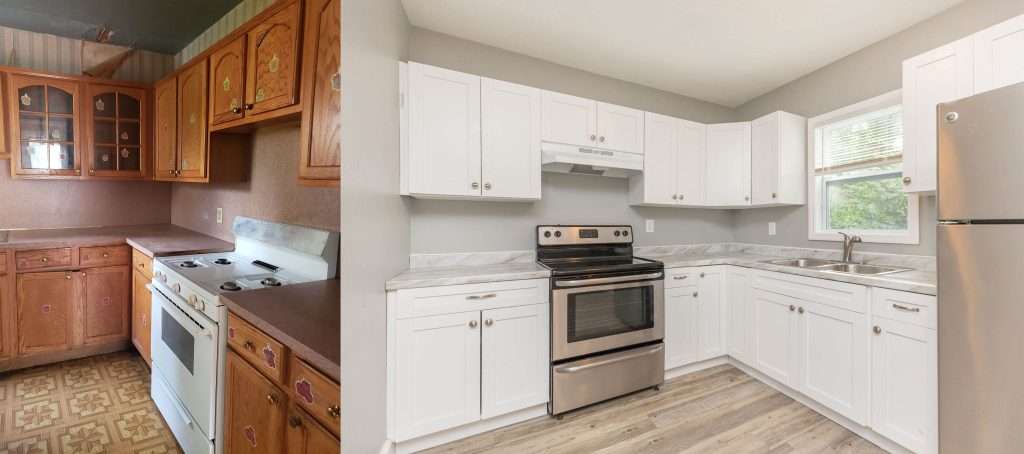
Picking the Right Materials
Durable Countertops
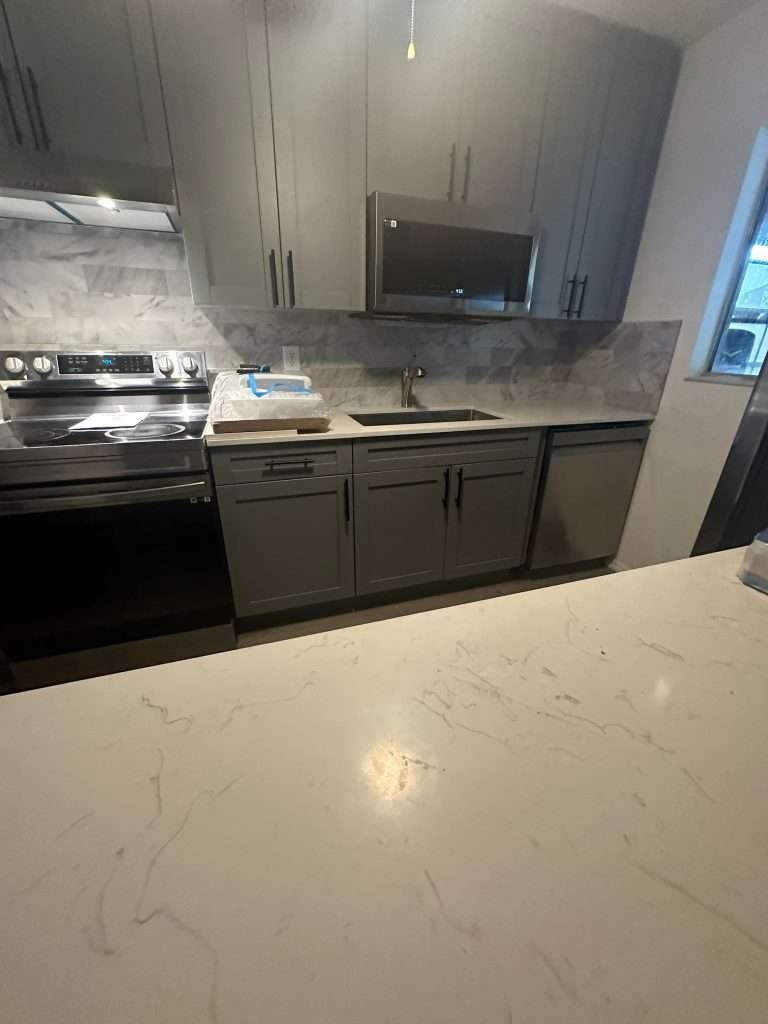
Countertops are central to kitchen functionality. Options like granite, quartz, and butcher block offer durability and varying aesthetics. Evaluate each option based on maintenance, resilience, and style compatibility.
Cabinet Materials and Styles
Cabinetry is not only functional but also a significant style element. Choose materials such as solid wood for longevity or engineered options for budget-friendly designs. Consider styles that complement your kitchen’s overall theme, from contemporary to traditional.
Flooring Options That Last
Selecting the right flooring is crucial for durability and maintenance. Options like hardwood, tile, and laminate each have longevity and ease of cleaning advantages. Consider factors such as water resistance and foot traffic while making your choice.
Maximizing Storage Space
Smart Shelving Solutions
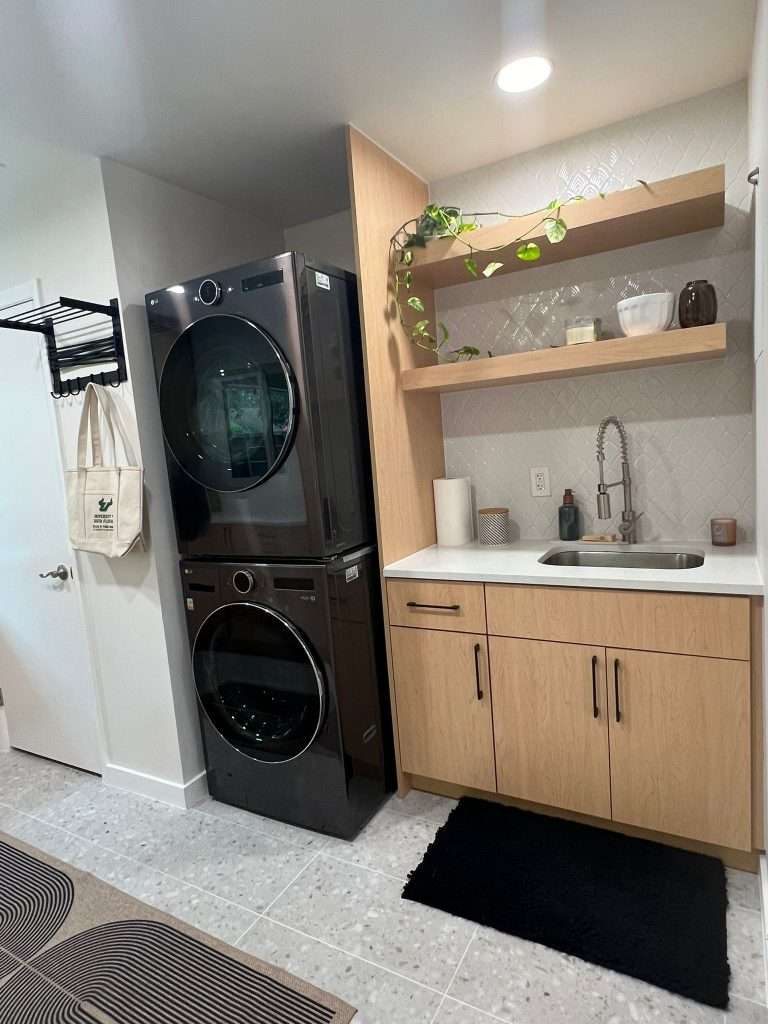
Efficient shelving can dramatically enhance storage capabilities. Utilize vertical space by incorporating floating shelves or installing deep drawer systems to organize cookware and other kitchen essentials better.
Hidden Storage Ideas
Innovative hidden storage solutions can maximise space efficiency, such as pull-out pantry shelves and concealed compartments. These features allow for a clutter-free environment while providing accessible storage.
Incorporating Pantry Space
A well-designed pantry can significantly enhance kitchen organization. Consider adding a walk-in or cabinet-style pantry to store dry goods, freeing up kitchen cabinets for other uses.
Choosing the Right Appliances
Energy-Efficient Options
Investing in energy-efficient appliances is eco-friendly and can reduce utility bills over time. Look for the ENERGY STAR label and compare efficiency ratings when selecting your new appliances.
Sizing and Placement
Proper sizing and placement of appliances are imperative for functionality. Assess your kitchen layout and choose sizes that will fit without overcrowding.
Modern Technology Integration
Incorporating modern technology, such as smart refrigerators and programmable ovens, can streamline kitchen tasks. Evaluate which technologies align with your lifestyle and cooking habits.
Lighting Your Kitchen
Task Lighting vs. Ambient Lighting
A well-lit kitchen combines both task and ambient lighting. Task lighting focuses on work areas, while ambient lighting sets the overall mood of the space.
Under-Cabinet Lighting Options
Under-cabinet lighting enhances visibility on countertops. Options include LED strips and puck lights, which are energy-efficient and easy to install.
How Natural Light Can Change the Space
Maximizing natural light can transform the kitchen’s ambience. Consider adding windows or skylights to invite more daylight into the space, creating a warm and welcoming environment.
Selecting a Color Palette
Modern vs. Traditional Color Schemes
The colour palette can significantly influence the kitchen’s character. Modern schemes typically involve bold or subdued tones, while traditional styles favour warmer, more classic colours. Choose a palette that reflects your style and complements the rest of your home.
How Color Affects Space and Mood
Colours can either make a space feel more extensive or more intimate. Lighter colours typically create an airy feel, whereas darker tones can bring warmth and cosiness. Always think about the mood you wish to evoke in your kitchen.
Incorporating a Kitchen Island
Purpose and Functionality
A kitchen island can serve as a multifunctional cooking, dining, and socializing space. Identify its primary purpose to design it accordingly, whether as extra prep space, a casual dining spot, or for culinary creativity.
Design Options and Materials
Consider various shapes, sizes, and materials when designing your kitchen island. Depending on your budget and stylistic preference, you may opt for a butcher block surface for practicality or a granite top for elegance.
Backsplash Choices
Tile Options
The backsplash serves as both a functional and aesthetic element. Popular tile options include ceramic, glass, and natural stone, offering unique textures and colours.
How to Make a Statement with Your Backsplash
A bold design or graphic element in the backsplash can create a focal point in your kitchen. Consider patterns or contrasting colours to enhance visual interest while remaining practical.
Flooring That Works for You
Hardwood, Tile, or Laminate?
Each flooring option has distinct pros and cons. Hardwood offers warmth and beauty but requires maintenance. The tile is durable and moisture-resistant, making it ideal for kitchens, while laminate offers cost-effective versatility.
Maintenance Tips for Kitchen Floors
Regardless of your flooring choice, proper maintenance is vital. Regular cleaning and occasional refinishing or sealing (for hardwood) can prolong the lifespan and maintain the appearance of your kitchen floor.
Hiring a Professional vs. DIY
Pros and Cons of DIY Kitchen Remodeling
DIY remodeling can save costs and allow for personal touches, but it can also lead to mistakes if you lack experience. Assess your skills and the scope of the work to determine if DIY is a suitable option.
When to Call in a Professional
Hiring a professional is advisable for complex tasks such as electrical work, plumbing, or structural changes. Their expertise can ensure compliance with safety standards and local building codes.
Staying on Schedule
Planning for Potential Delays
Anticipating potential delays can help you remain on schedule. Factors such as material availability and contractor timelines should be considered during planning.
Importance of a Realistic Timeline
Establishing a realistic timeline allows for a smoother remodeling process. Ensure that timelines account for unexpected challenges, enabling you to adapt as necessary.
Sustainability in Kitchen Remodeling
Eco-Friendly Materials
Choosing sustainable materials can lessen the environmental impact of your remodel. Options include reclaimed wood, bamboo, and recycled products, contributing to a more eco-conscious design.
Energy-Saving Appliances
Incorporating energy-saving appliances is a responsible choice. Opt for models that offer high-efficiency ratings to reduce energy consumption while providing the functionality needed for modern cooking.
Conclusion
In conclusion, remodeling your kitchen is a rewarding endeavour that can significantly enhance your home’s functionality and aesthetic. Following these tips, you can create a space that reflects your style and meets your culinary needs.
Final Thoughts on Creating Your Dream Kitchen
With careful planning and thoughtful choices, your dream kitchen is within reach. Consider each element, from layout to materials, to achieve a harmonious design that enhances your lifestyle.
FAQs
How long does a typical kitchen remodel take?
A typical kitchen remodel can take anywhere from 6 to 12 weeks, depending on the scope of the project and any potential delays.
What are the most essential features of a modern kitchen?
Essential features of a modern kitchen include high-quality appliances, ample storage, an efficient layout, and versatile work surfaces.
How can I save money during my kitchen remodel?
To save money, consider a phased approach to remodeling, reuse existing materials where possible, and prioritize essential updates over purely aesthetic upgrades.
Is it worth upgrading my kitchen appliances?
Upgrading to more efficient appliances can be worth the investment, as they can save money in energy costs and improve cooking performance.
How do I choose the best layout for my kitchen?
The best kitchen layout should maximize space while considering workflow. Evaluate your cooking habits, family size, and the overall function you need from the kitchen.


