
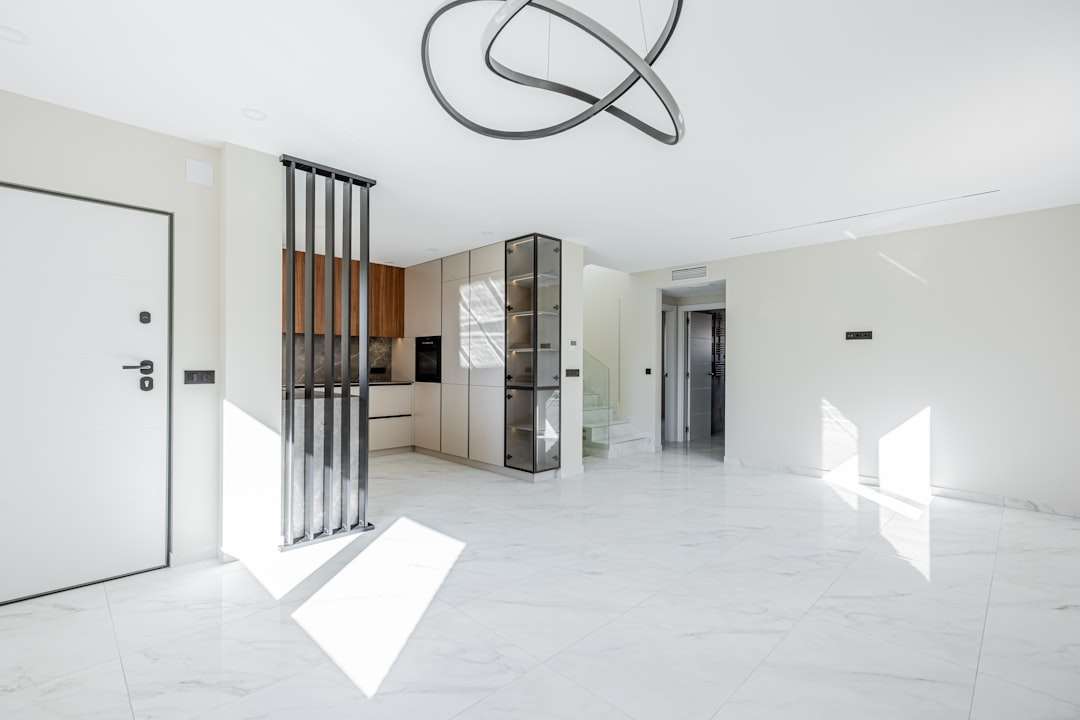
Understanding House Renovation Cost in 2026
House renovation cost typically ranges from $60 to $180 per square foot for basic to mid-range projects, with premium renovations reaching $250 to $500+ per square foot. Here’s what you can expect:
| Renovation Type | Cost Per Sq. Ft. | 1,800 Sq. Ft. Home Total |
|---|---|---|
| Cosmetic Refresh | $25–$50 | $45,000–$90,000 |
| Mid-Range Remodel | $100–$180 | $180,000–$324,000 |
| Full Gut Renovation | $250–$500+ | $450,000–$900,000+ |
Key cost drivers include:
- Kitchen renovations: $25,000–$80,000+
- Bathroom remodels: $10,000–$35,000
- Basement finishing: $35,000–$75,000
- Permits and inspections: $500–$2,500
- Hidden issues (mold, foundation): $2,000–$10,000+
Renovating an entire home is one of the biggest investments a homeowner makes. According to recent statistics, over 70% of Canadian homeowners are planning to redecorate their homes, 40% plan to either drastically remodel or build an addition, and another 10% are considering the construction of a custom home. Yet despite this enthusiasm, 39% of homeowners went over their renovation project budget, and 24% didn’t set a budget at all.
The challenge isn’t just knowing what you want to renovate—it’s understanding what it will actually cost and how to avoid the financial surprises that derail so many projects.
Whether you’re planning a simple cosmetic refresh or a complete whole-home change, renovation costs vary dramatically based on materials, labor, structural changes, and unexpected issues like outdated plumbing or foundation problems. The difference between a $100,000 project and a $500,000 project often comes down to the choices you make early in the planning process.
This guide breaks down every aspect of house renovation cost—from per-square-foot pricing and room-by-room budgets to hidden expenses, financing options, and strategies to control costs without sacrificing quality. You’ll learn what drives renovation pricing, how to set realistic expectations, and how to work with contractors to get the best value for your investment.
I’m John Doron, owner of Salt & Pepper Construction, and over the past decade I’ve helped hundreds of Tampa homeowners steer the complexities of house renovation cost, from kitchen remodels to whole-home changes. My hands-on experience has taught me that transparent pricing and thorough planning are the foundation of every successful renovation project.

Average House Renovation Cost by Square Foot
When we talk about house renovation cost, one of the first metrics that comes up is cost per square foot. While it’s a useful starting point, it’s crucial to understand that this number can fluctuate wildly based on your vision, the existing condition of your home, and the level of finishes you choose. As a general guideline, a whole-house renovation can easily range from $60.00 to $180.00 per square foot from start to finish for typical projects. However, for a full renovation in a market like Tampa, depending on the finish level and scope, you could expect to pay $250-$500+ per square foot.
Let’s put that into perspective for a common home size. For an 1,800 square foot home, a full renovation could typically range from $180,000 to $900,000, illustrating the vast difference between a mid-range and a high-end project. We often find that homeowners underestimate the total investment, which is why a detailed breakdown is so important.
To sense-check local permitting expectations and typical requirements before you start pricing, it’s also worth reviewing Hillsborough County and City of Tampa guidance (or asking your contractor). As a general homeowner reference on the permitting process in the U.S., see Building permit.
Factors Influencing Your House Renovation Cost
The price tag on your renovation isn’t just pulled out of thin air; it’s a careful calculation of many moving parts. Here at Salt & Pepper, we focus on providing transparent, itemized estimates so you know exactly where your money is going. The main cost drivers for a whole-home renovation include:
- Material Quality: This is a big one. Opting for high-end finishes like custom cabinetry, natural stone countertops, or premium flooring will significantly increase your budget compared to more standard, off-the-shelf options. For instance, in a high-end kitchen renovation, the millwork alone can exceed $350,000.
- Labor Availability and Expertise: Skilled tradespeople are in demand, and their expertise comes at a cost. Our team of experienced professionals ensures quality craftsmanship, which, while an investment, minimizes future headaches and adds long-term value.
- Structural Complexity: Moving load-bearing walls, adding an extension, or reconfiguring the layout dramatically increases costs. These changes require engineering assessments and can involve extensive demolition and reconstruction.
- Mechanical Upgrades: Updating plumbing, electrical, and HVAC systems often isn’t the most glamorous part of a renovation, but it’s essential, especially in older homes. Relocating plumbing and electrical lines are significant cost drivers.
- Custom Millwork: Built-in shelving, custom trim, or unique architectural features add a bespoke touch but require specialized craftsmanship and materials.
- Premium Plumbing Fixtures: High-quality faucets, shower systems (think Kohler or similar), and free-standing tubs contribute to the luxury feel of a bathroom and come with a higher price tag.

Regional Variations in House Renovation Cost
While national averages provide a baseline, local market trends, labor rates, and building codes play a significant role in determining your actual house renovation cost. In areas like Tampa, FL, and our surrounding communities such as South Tampa, Clearwater, Riverview, and Carrollwood, we see unique factors influencing renovation budgets.
- Local Labor Rates: The cost of skilled labor varies by region. In a growing market like Tampa, demand for experienced contractors and tradespeople can drive up labor costs. We pride ourselves on working with the best local talent, ensuring your project is handled by professionals who understand the nuances of Florida construction.
- Climate-Specific Construction: Florida’s climate presents unique challenges and requirements. Building for hurricane codes, managing humidity to prevent mold, and selecting materials that withstand heat and moisture are critical. These considerations can influence material choices and construction methods, impacting the overall cost.
- Local Building Codes and Permit Requirements: Every city and county has its own set of regulations. In Tampa and Hillsborough County, many common renovations require permits. These permits ensure your project is safe, up to code, and protects your investment. Finishing a living space, adding or enlarging windows or doors, structural changes, or installing bathrooms and kitchens usually require a building permit. We handle local permit applications and inspections, ensuring your project is compliant from day one.
- Supply Chain Impact: Global and national supply chain issues can affect the availability and cost of materials, leading to price fluctuations and potential delays. We work diligently to source materials efficiently and keep you informed of any potential impacts.
Room-by-Room Breakdown: Kitchens, Baths, and Basements
When planning a renovation, homeowners often focus on specific areas. Let’s explore the typical house renovation cost for some of the most popular rooms in a Tampa home.
Kitchen Renovations
The kitchen is often the heart of the home, and it’s typically the most expensive room to renovate. A kitchen renovation can easily average around $46,400 for Canadians, and in Tampa, a full kitchen remodel typically ranges from $25,000–$80,000+. This wide range accounts for choices from a cosmetic update to a complete gut and remodel with high-end finishes.
- Scope: This pricing assumes that the space is completely demolished and includes new drywall, mechanical and electrical modifications with fixtures, plumbing, and custom millwork.
- Cost Drivers: Cabinetry and layout are the biggest cost drivers. Custom cabinetry, high-end appliances, and premium countertops (like quartz or granite) will push costs higher.
- Return on Investment (ROI): A well-planned kitchen remodel not only improves your daily living experience but also adds long-term value to your property. It’s a wise investment that can significantly increase its resale value.
For more detailed insights, explore our guides on How Much Does a Kitchen Remodel Cost?, Kitchen Reno Cost, and What is the Average Cost of a Kitchen Remodel in Tampa in 2026?.
Bathroom Remodels
Bathroom renovations are another significant investment, averaging $26,800 per bathroom generally. In Tampa, a full bathroom remodel typically ranges from $10,000–$35,000.
- Scope: This includes demolition, new drywall, mechanical, electrical with fixtures, plumbing, and custom millwork. High-end options might include heated floors, free-standing tubs, or custom showers.
- Cost Drivers: Fixture choices (think Kohler or similar), tile selections, and custom vanity builds are major factors. Spa-like features like steam showers and heated floors will put you at the higher end of this range.
- ROI: Like kitchens, updated bathrooms offer a strong return on investment, improving daily comfort and boosting resale appeal.
Find more with our Bathroom Remodel Cost Tampa Guide and How Much Does Bathroom Remodeling in Sarasota Cost? What’s Included?.
Basement Finishing
While basements are less common in traditional Florida homes, for those in areas like Tampa with older homes or unique structures, finishing a basement can add significant living space. Generally, a finished basement can contribute an average ROI of 70% to a property’s worth. Mid-range basement finishing typically ranges from $35,000–$75,000.
- Scope: This usually involves framing, insulation, drywall, flooring, lighting, and potentially adding a bathroom or bedroom.
- Cost Drivers: The size of the basement, the addition of plumbing (for bathrooms or wet bars), and the quality of finishes are key. Creating a legal suite would exceed this range due to additional requirements for egress, fire separation, and separate utilities.
- ROI: A well-designed finished basement increases usable living space, which is highly attractive to potential buyers and improves your home’s functionality.
High-Value Upgrades and ROI
Beyond just the room, certain upgrades offer a particularly strong return on investment and improve your daily life.
- Custom Cabinetry: While initially a higher upfront investment, quality-built custom cabinets are the most expensive part of a kitchen remodel for a reason. They offer superior functionality, durability, and a custom aesthetic that significantly impacts the overall design and value of your kitchen.
- Room Additions: Adding square footage to your home almost always increases its value. The Cost of Adding a Bedroom and Bath can vary greatly, but it’s a direct way to expand living space and functionality. Additions can cost $200–$400+ per square foot due to foundations, framing, exterior finishes, and engineering. For more details, consult our Room Addition Cost Guide 2025.
- Energy Star Appliances: New appliances may cost $200 to $10,000 each. Energy Star-rated appliances typically cost $200 to $3,500. While a new appliance may seem like a simple upgrade, choosing Energy Star models can lead to long-term savings on utility bills, contributing to your home’s overall efficiency and appeal. Custom built-in appliances will likely cost $1,000 to $10,000.
- Open-Concept Floor Plans: Modern homeowners often desire open, flowing spaces. Removing non-load-bearing walls can create a more spacious feel without the extensive costs of structural changes. When load-bearing walls are involved, however, costs can exceed $10,000 for structural engineering and support beams.
Hidden Expenses and Additional Cost Drivers
Even the most carefully planned renovation can encounter unexpected problems. We believe in being upfront about these potential hidden costs to help you budget more effectively and avoid surprises.
Permits and Inspections
Don’t skip the paperwork! Building permits are required for major home renovations in Tampa. While smaller projects like painting may not need one, finishing a living space, adding or enlarging windows/doors, structural work, or installing bathrooms and kitchens typically do. Permit fees generally range from $500 to $2,500 for major home renovations. Your contractor should handle pulling permits and coordinating inspections, which can add 2–6 weeks to your timeline. Unpermitted structural or plumbing work can cause insurance issues and hurt resale value, so it’s always worth the investment.
Remediation Costs
Older homes, especially in Florida’s humid climate, can harbor unwelcome guests that need to be addressed before any cosmetic work begins.
- Mold Remediation: Mold remediation costs approximately $2,230 on average. If mold is finded during a DIY renovation, stop immediately and bring in a professional. Mold can pose significant health risks, and remediation may even necessitate temporary alternative housing, adding to your overall house renovation cost.
- Asbestos Removal: Asbestos removal costs about $1,200 to $3,100. Similar to mold, if asbestos is found, professional removal is crucial for safety.
Foundation Repairs
Foundation repairs are often a non-negotiable prerequisite for other renovations, ensuring your home is structurally sound. These typically cost between $2,200 and $7,700 in most cases. A structural engineer may be needed to assess the damage and recommend the best course of action. Addressing foundation issues early prevents more costly problems down the line.
Temporary Living Expenses
For extensive renovations that make your home unlivable, you might need to factor in temporary housing. Options like mobile homes or extended-stay hotels can cost anywhere from $2,000 to $10,000 or more, depending on the duration and your family’s needs. This is an important consideration for whole-home gut renovations.
Warranty Standards
A reputable contractor will stand behind their work. Look for explicit workmanship warranties. Programs like RenoMark (a Canadian certification, but a good benchmark for professionalism) require a minimum two-year warranty from members, which is a good standard to ask for. We provide clear warranties and ensure all municipal inspections are complete, providing you with peace of mind and protecting your investment.
Structural and Exterior Costs
Some renovations go beyond interior aesthetics and dig into the very bones of your home or its outdoor spaces.
- Load-Bearing Wall Removal: While creating an open-concept space is a popular choice, removing load-bearing walls is a significant structural change. Minor changes to a room’s layout might cost around $350 to $500, but major changes involving load-bearing walls can easily exceed $10,000, requiring a certified structural engineer and specialized construction.
- Paver Installation: Enhancing your outdoor living space with pavers can add significant curb appeal and functionality. The typical range for installing pavers is $3,500–$5,000. A paver patio installation averages $3,400, with a range of $8–$25 per square foot (material + labor). Clay brick pavers cost around $10–$20 per square foot, concrete brick pavers $8–$15 per square foot, and interlocking pavers $3–$6 per square foot. Natural stone patios can average from $2,500 to $25,000 in total cost. The cost can vary based on the material, the size of the project, and job-specific circumstances like grading and utility line installation.
- Interior Demolition: Before the new can go in, the old must come out. Interior demolition typically costs between $1,000–$5,000 on average, or $2–$10 per square foot. This includes debris removal, dumping fees, permits, and the tear-out itself.
- Accessibility Features: Designing a home with accessibility in mind, whether for aging in place or specific needs, can increase renovation costs. Features like wider doorways, zero-entry showers, or even home elevators or stair lifts (which can be substantial investments) add to the overall expense. We encourage consulting with household members who have specific accessibility needs early in the design process to ensure the final design meets everyone’s expectations.
How to Control and Finance Your Renovation Budget
Navigating the financial aspects of a renovation can feel overwhelming, but with careful planning, you can stay on track. Here at Salt & Pepper, we believe in empowering our clients with strategies to manage their house renovation cost effectively.
- Budget a 10–20% Contingency Fund: This is perhaps the most crucial piece of advice we offer. Unforeseen issues, especially in older homes, are common. Having a contingency fund means you won’t be caught off guard if unexpected repairs (like finding mold or old wiring) arise.
- Phased Renovation Benefits: If a whole-home renovation seems too daunting financially, consider a phased approach. Completing one area fully before moving to another allows you to spread out the costs, learn from the first phase, and refine your vision for subsequent stages. While we recommend a cohesive plan for the entire home, phased renovations can make a large project more manageable.
- Realistic Kitchen Remodel Budgeting: As one of the most expensive rooms, a realistic budget for your kitchen is key. Explore our resources like Realistic Kitchen Remodel Budget and Small Kitchen Renovation Budget Guide to help you plan. You can achieve stunning results even on a tighter budget with smart choices and strategic spending.
- Financing Options: Most homeowners fund renovations through a mix of savings, Home Equity Lines of Credit (HELOCs), or refinancing their mortgage. Consulting a financial advisor or mortgage broker early in the process can help you understand the best option for your situation. Some contractors may also offer financing options.
- Fixed-Price vs. Cost-Plus Contracts: Understanding how contractors price a whole-home renovation is vital.
- Per Square Foot Pricing: This provides a quick estimate but lacks detail.
- Itemized Line-Item Estimates: This is our preferred method at Salt & Pepper. We provide fixed, written proposals with clear scopes and contingencies. This minimizes surprises and keeps accountability clear.
- Cost-Plus vs. Fixed-Price: A fixed-price contract means you agree on a total price upfront, offering predictability. A cost-plus contract means you pay for materials and labor plus a contractor’s fee, which can be flexible but less predictable. We typically recommend fixed-price contracts for full-home jobs to ensure transparency.
- Small Kitchen Renovation Budget Tips: Don’t let a tight budget deter you from updating your kitchen. Check out our tips on Budget DIY Kitchen Remodel for ideas on how to make impactful changes without breaking the bank.
Frequently Asked Questions about House Renovation Cost
What is the difference between a renovation and a remodel?
Technically, “remodel” and “renovation” have slightly different meanings, though they are often used interchangeably. A renovation typically involves restoring something to a good state of repair, often refreshing its appearance without changing its structure or purpose. Think painting, refinishing floors, or updating fixtures. A remodel, on the other hand, usually involves changing the structure, layout, or function of a space. This could mean moving walls, reconfiguring a kitchen layout, or converting a garage into a living space. Remodels generally have a higher house renovation cost due to their complexity.
How long does a whole-home renovation typically take?
The timeline for a whole-home renovation varies significantly based on the scope and complexity of the project.
- Cosmetic refreshes (paint, flooring, minor trim, basic kitchen/bath cosmetic updates) might take 4–8 weeks.
- A partial gut and remodel (moving non-load-bearing partitions, new mid-range kitchen, 2 updated baths, new flooring, upgraded electrical/HVAC tweaks) could take 10–16 weeks.
- Full gut renovations or additions (full structural changes, high-end finishes, reconfigured layout, new windows/doors) can range from 4–9 months or even longer.
Remember to factor in an additional 2–6 weeks for permit application and review processes. We strive to provide realistic timelines and keep you informed every step of the way.
Do I need a permit for interior renovations in Tampa, FL?
Yes, many interior renovations in Tampa, FL, and surrounding areas require permits. Permits are usually necessary for projects that involve:
- Structural changes: Such as removing or adding walls (especially load-bearing ones).
- Plumbing changes: Relocating or adding new plumbing lines for a bathroom or kitchen.
- Electrical modifications: Adding new outlets, circuits, or significantly altering existing wiring.
- Finishing new living spaces: Converting an unfinished attic or basement into a habitable room.
It’s always best to check with your local municipal planning and zoning department or, even better, work with a professional contractor like Salt & Pepper. We ensure all necessary permits are acquired and inspections are coordinated to keep your project compliant and your investment protected.
Conclusion
Understanding the true house renovation cost is the first step toward a successful and satisfying home change. From the initial per-square-foot estimates to the detailed room-by-room breakdowns and the potential for hidden expenses, every element plays a role in your overall budget. By being informed, planning carefully, and partnering with experienced professionals, you can steer the complexities of renovation with confidence.
Related: Kitchen Remodeling Cost Breakdown by Project in Clearwater FL: 2026 Comprehensive Guide
At Salt & Pepper, we’re more than just builders; we’re your partners in bringing your vision to life. Our innovative designs, quality craftsmanship, and comprehensive project management ensure that your renovation journey in Tampa, FL, is smooth, transparent, and delivers exceptional value. We believe in open communication and detailed planning to eliminate surprises, allowing you to enjoy the process and the beautiful results.
Ready to turn your house into the home of your dreams? Contact us today to discuss your project and get a realistic understanding of your house renovation cost.



