
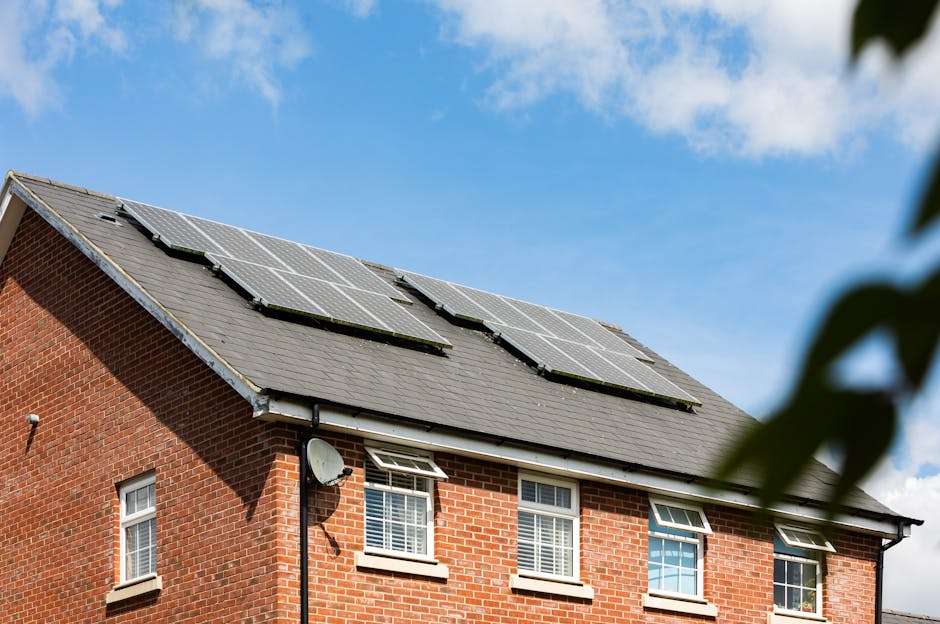
Why Energy Efficient Home Systems Matter for Your Home
Energy efficient home systems are integrated solutions that reduce your utility bills while enhancing home comfort and value. If you’re looking to improve your home’s efficiency, here’s what you need to know:
- Whole-house approach: Combining insulation, HVAC, lighting, and appliances works better than isolated upgrades
- Typical savings: 10-30% on monthly energy bills
- Home value increase: Up to 30% premium for homes with efficiency certifications
- Comfort benefits: More consistent temperatures, better air quality, and reduced noise
- Environmental impact: Lower carbon footprint and reduced resource consumption
In today’s housing market, energy efficiency has moved from a nice-to-have to a must-have feature. With 9 out of 10 homebuyers preferring energy-efficient homes with lower energy costs, investing in these systems is not just about saving money—it’s about creating a more comfortable living environment and increasing your property’s marketability.
The average American household spends nearly $2,000 annually on energy bills, with almost half going to heating and cooling. By implementing energy efficient solutions throughout your home, you can significantly reduce these costs while enjoying a more comfortable living space year-round.
Energy efficiency isn’t just about installing a smart thermostat or switching to LED bulbs—though these are excellent starting points. True efficiency comes from understanding your home as an interconnected system where each component affects the others.
I’m John Doron, owner of Salt & Pepper Construction, and my experience implementing energy efficient home systems in Tampa homes has shown that a holistic approach delivers the best results for comfort, savings, and home value. My team specializes in integrating efficiency upgrades into beautiful, functional remodels that transform outdated spaces.

Relevant articles related to energy efficient home systems:
– eco-friendly bathroom fixtures
– home insulation upgrade
– home upgrade rebates
What Are Energy Efficient Home Systems?
When we talk about energy efficient home systems, we’re referring to a collection of components and technologies that work in harmony to create a home that sips rather than gulps energy. These aren’t just random eco-friendly gadgets scattered throughout your house—they’re thoughtfully integrated elements that transform how your home functions.
At Salt & Pepper, we’ve seen how these systems can revolutionize Tampa homes. A truly efficient home operates like a well-rehearsed orchestra, with each part playing its role perfectly to create something beautiful: comfort, savings, and sustainability.
Think of your home’s efficiency system as having several key players: a snug building envelope that keeps the good air in and the bad air out, smart HVAC equipment that works smarter not harder, appliances that accomplish more while using less, intelligent controls that optimize everything automatically, and fixtures that respect our precious water resources.
The investment in these systems pays off handsomely. Homes sporting documented energy-efficient features aren’t just cheaper to run—they command premium prices on the market. Research from Earth Advantage Institute found that existing homes with green certifications sold for a whopping 30% more than their conventional counterparts. That’s not just good for the planet; it’s fantastic for your wallet too.
Want to explore more ways to boost your home’s efficiency? Check out our guide on the Best Ways to Improve Home Energy Efficiency.
Why They Matter for Home Value & Comfort
The magic of energy efficient home systems extends far beyond those monthly utility savings (though who doesn’t love those?). They transform how your home feels and performs.
From an investment perspective, efficiency upgrades offer some of the best returns in home improvement. Take attic insulation—it delivers an impressive 107% ROI according to Remodeling Magazine. Meanwhile, homes equipped with air-source heat pumps enjoy a 4.3-7.1% price premium when sold. Those aren’t just numbers; they’re your home equity growing.
But perhaps even more valuable is the comfort change. Ever walked from one room to another in your home and felt like you crossed climate zones? Properly designed energy efficient systems eliminate those temperature swings, creating consistent comfort throughout your home—particularly valuable in Tampa’s challenging climate.
And there’s a beautiful bonus: peace and quiet. The same insulation and windows that regulate temperature also act as sound barriers, muffling neighborhood noise and creating a serene indoor sanctuary. Your home becomes not just a place to live, but a place to truly relax.
Many homeowners also report breathing easier—literally. Energy-efficient ventilation systems continuously refresh your indoor air while filtering out pollutants, allergens, and excess moisture, creating a healthier living environment for you and your family.
Key Benefits at a Glance
When you invest in energy efficient home systems, you’re signing up for a whole package of benefits that improve life today while preparing for tomorrow.
Your monthly bills will show immediate gratitude. ENERGY STAR certified homes deliver at least 10% savings on utility costs, with many Tampa homeowners we work with seeing reductions of 20-30%. Those savings add up quickly over the years of homeownership.
Your environmental footprint shrinks significantly too. The average efficiency-upgraded home cuts carbon emissions by 2-3 tons annually—equivalent to taking a car off the road. Meanwhile, installing WaterSense fixtures can save a family of four up to 20,000 gallons of water each year. Just switching to efficient showerheads saves 4 gallons every shower!
Uncle Sam wants to help too. Federal tax credits now offer up to $3,200 annually for qualifying energy improvements, with additional state and utility incentives often available to Tampa homeowners.
Perhaps most surprisingly, efficient homes actually last longer. Better moisture control and reduced thermal stress on building materials mean fewer repairs and a longer lifespan for your home’s critical systems and structures. And when extreme weather hits Florida (as we know it will), efficiency-upgraded homes with proper insulation, right-sized HVAC, and possibly solar with battery backup stand ready to weather the storm.
At Salt & Pepper, we don’t just build pretty spaces—we create homes that perform beautifully for years to come.
The Whole-House Systems Approach
The whole-house systems approach is a comprehensive method for maximizing home energy efficiency by considering how all components and systems work together. Rather than making isolated improvements, this approach examines the entire home as an integrated energy system.
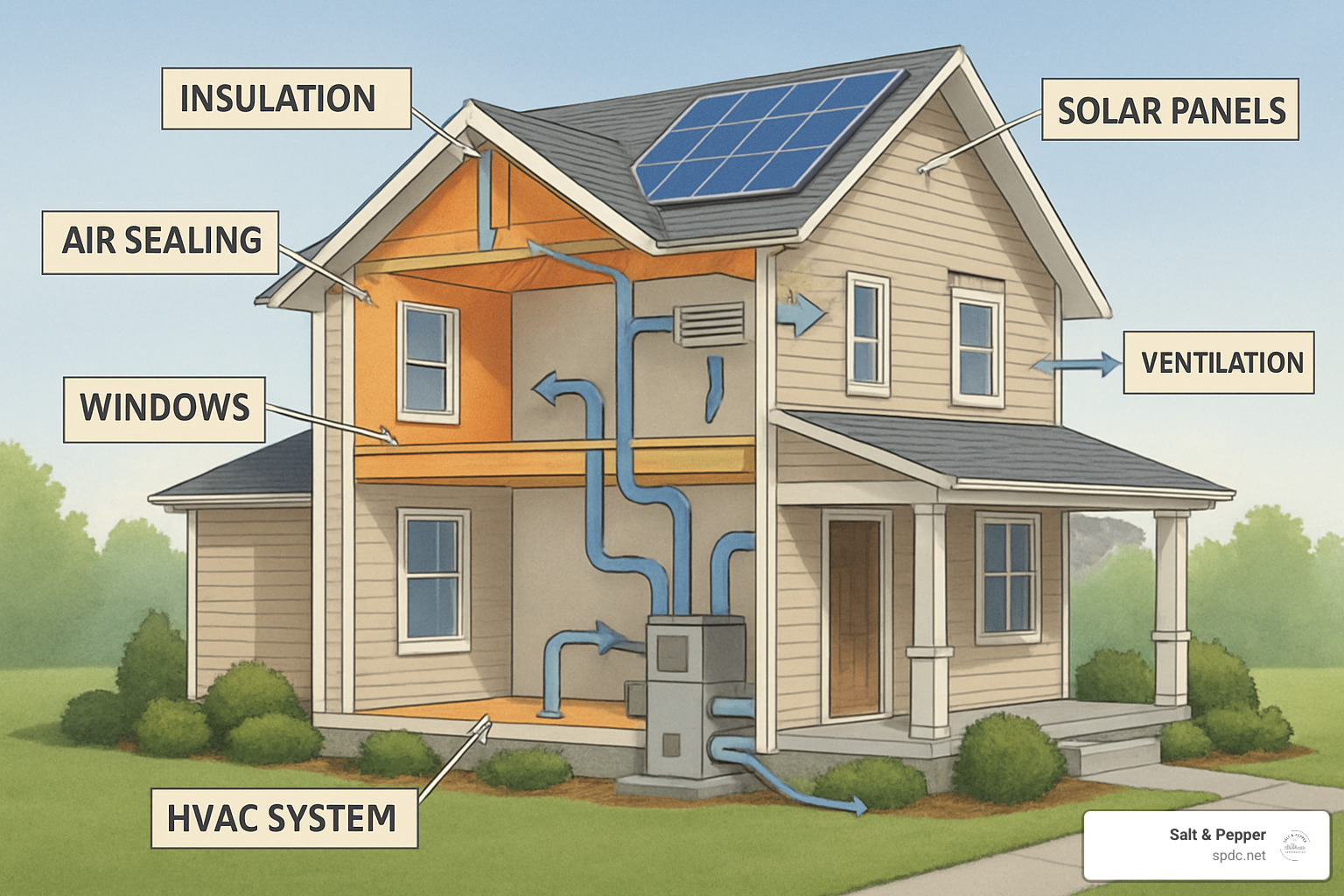
I’ve seen it time and again with our Tampa clients—piecemeal upgrades just don’t deliver the same results as a holistic approach. Here’s why: when you improve one aspect of your home’s energy performance, it ripples through the entire system. For example, after we properly air seal and insulate a home, that powerful AC unit that once struggled to keep up might suddenly be oversized for the home’s new, lower cooling needs.
At Salt & Pepper, we look at your home as an interconnected system where each component affects everything else. We consider your building envelope (walls, roof, windows), your HVAC systems, lighting and appliances, water heating, the site and climate factors unique to your Tampa property, and even your family’s lifestyle and habits in how you use your home.
Scientific research on whole-house systems
| Piecemeal Approach | Whole-House Systems Approach |
|---|---|
| Addresses individual components | Considers interactions between all systems |
| May create unintended consequences | Optimizes overall performance |
| Often focuses on obvious problems | Identifies hidden issues through testing |
| Typically lower upfront cost | Better long-term value and performance |
| Minimal planning required | Requires comprehensive assessment and planning |
| May miss significant savings opportunities | Maximizes energy and cost savings |
Building Envelope: Air Sealing & Insulation
Think of your building envelope—your home’s outer shell—as the foundation of energy efficiency. It’s like a cooler that keeps your drinks cold on a hot Tampa beach day—if it has holes or thin walls, it simply won’t work well, no matter how much ice you add.
Air Sealing: Did you know that 25-40% of your home’s heating and cooling energy is literally disappearing through air leaks? In our Tampa homes, we commonly find leaks around windows and doors, penetrations for pipes and wires, attic hatches, recessed lighting, basement rim joists, and fireplace dampers.
When we professionally air seal a home, we use the right materials for each specific location—from caulk and weatherstripping to specialized foam products that expand and contract with your home. It’s detailed work that pays big dividends in comfort and savings.
Insulation: Here’s a shocking statistic—about 90% of American homes don’t have enough insulation. Proper insulation acts like a thermal blanket, slowing heat transfer through walls, ceilings, and floors. This is especially crucial in Tampa, where our primary concern is keeping that intense summer heat from seeping into your cool, comfortable indoor spaces.
When evaluating insulation, we look at the R-value (higher means better insulation power), installation quality (gaps can reduce effectiveness by 30%), location (attics, walls, floors all need appropriate coverage), and type of insulation best suited for each area.
Many of our Tampa clients love spray foam insulation because it provides excellent thermal resistance while simultaneously sealing air leaks—a perfect combo for our humid climate where moisture control is so important.
More info about Home Insulation Upgrade
High-Efficiency Heating & Cooling with Heat Pumps
In Tampa’s climate, keeping cool is essential, but we still need efficient heating for those occasional chilly winter nights. This is where heat pumps truly shine as the MVP of energy efficient home systems.
Unlike traditional systems that generate heat by burning fuel, heat pumps are more like magicians—they simply move heat from one place to another. During our sweltering summers, they extract heat from your home and expel it outside. On those rare cool winter evenings, they reverse the process, pulling heat from the outdoor air and bringing it inside.
We typically recommend these heat pump options for Tampa homes:
Air-source heat pumps work wonderfully in our climate, transferring heat between indoor and outdoor air with remarkable efficiency. Ductless mini-split heat pumps are perfect for homes without existing ductwork or for that new room addition you’ve been dreaming about. And heat pump water heaters operate 2-3 times more efficiently than conventional water heaters—a smart upgrade for any Tampa home.
When selecting a heat pump, look for high SEER (Seasonal Energy Efficiency Ratio) and HSPF (Heating Seasonal Performance Factor) ratings—the higher these numbers, the more efficient the system.
Beyond the comfort and efficiency benefits, homes with air-source heat pumps enjoy a 4.3-7.1% price premium when sold. Plus, the federal government currently offers tax credits up to $2,000 for qualified heat pump installations—a nice bonus for making the switch!
Improve Heating Efficiency in Your Home
Smart Controls & Connected Devices
Smart home technology has transformed from a luxury to an essential component of energy efficient home systems by putting efficiency on autopilot and giving you insights into your home’s energy habits.
Smart thermostats are the stars of the show. These clever devices learn your schedule and preferences, automatically adjusting temperature settings for optimal efficiency. They can detect when no one’s home, allow you to make adjustments from your smartphone, and provide detailed reports on your energy usage patterns.
The savings are substantial—Nest thermostats, for instance, save homeowners 10-12% on heating and 15% on cooling costs, typically paying for themselves within two years. That’s a quick return on investment for any home upgrade!
Beyond thermostats, we’re integrating other smart energy devices into our Tampa remodels: smart plugs that eliminate energy vampires (those devices that draw power even when “off”), intelligent lighting that automatically turns off in empty rooms, automated window coverings that adjust based on sunlight patterns, and whole-house energy monitoring systems that track electricity use in real-time.
These features aren’t just about saving money—they’re increasingly expected by homebuyers. A Coldwell Banker survey found that 81% of current homebuyers would be more likely to purchase a home if smart technology was already installed. When we integrate these systems during your remodel, we ensure they work seamlessly together while complementing your home’s aesthetic.
ENERGY STAR & WaterSense Appliances and Fixtures
Your appliances and fixtures might not seem like energy hogs individually, but collectively, they account for a significant chunk of your home’s energy and water consumption. Choosing certified efficient models is one of the easiest ways to boost your home’s overall efficiency.
ENERGY STAR appliances meet strict efficiency guidelines set by the EPA without sacrificing performance. LED lighting uses 75% less energy than traditional incandescent bulbs and can last up to 25 times longer—meaning fewer trips up the ladder to change bulbs! Energy-efficient clothes washers use about 25% less energy and 33% less water, while ENERGY STAR dryers consume about 20% less energy than conventional models. Your refrigerator—which runs 24/7/365—can be 9% more efficient with an ENERGY STAR model, and efficient dishwashers clean just as effectively while using less water and electricity.
On the water side, WaterSense fixtures deliver significant savings. An efficient showerhead saves 4 gallons of water during every shower, while WaterSense faucets reduce flow by 30% without you noticing any difference in performance. High-efficiency toilets use 1.28 gallons per flush or less (compared to the standard 1.6 gallons), and smart irrigation controllers adjust your watering schedule based on actual weather conditions.
Here in Tampa, we often overlook the connection between water and energy efficiency. Water heating is typically the second-largest energy expense in your home. By using less hot water through efficient fixtures, you’re saving both water and the energy needed to heat it—a double win!
Scientific research on ENERGY STAR savings
Renewable Energy Add-Ons
Once we’ve tightened up your home’s efficiency, adding renewable energy systems can take your energy efficient home systems to the next level, further reducing utility bills and environmental impact.
Solar photovoltaic (PV) systems are particularly effective in sunny Tampa. These panels convert sunlight directly into electricity to power your home. When designing a solar system, we consider your home’s specific energy needs (which are lower after efficiency improvements), your roof’s orientation and shading conditions (south-facing, unshaded roofs are ideal), and options like net metering (selling excess electricity back to the grid).
Solar water heating systems use the sun’s energy to heat water, reducing water heating costs by 50-80%. These work beautifully in our climate and pair well with heat pump water heaters as a hybrid system.
Battery storage is becoming increasingly popular among our Tampa clients. These systems store excess electricity for use when your solar panels aren’t producing (at night or during cloudy periods), when utility rates are higher, or during power outages—which we occasionally experience during storm season.
At Salt & Pepper, we always recommend addressing efficiency first, then sizing renewable systems appropriately. This approach is both cost-effective and practical—a smaller, properly sized system on an efficient home will perform better and cost less than a larger system trying to compensate for an inefficient home. It’s like buying the right size clothes instead of always going a size up—better fit, better function, better value.
Top Energy Efficient Home Systems Upgrades
When it comes to creating a truly efficient home, not all upgrades are created equal. Based on our hands-on experience with Tampa homes, I’ve seen certain improvements consistently deliver impressive returns both in comfort and savings. Here are the top upgrades that will transform your home into an energy-efficient haven:
Upgrade #1: Insulation + Professional Air Sealing
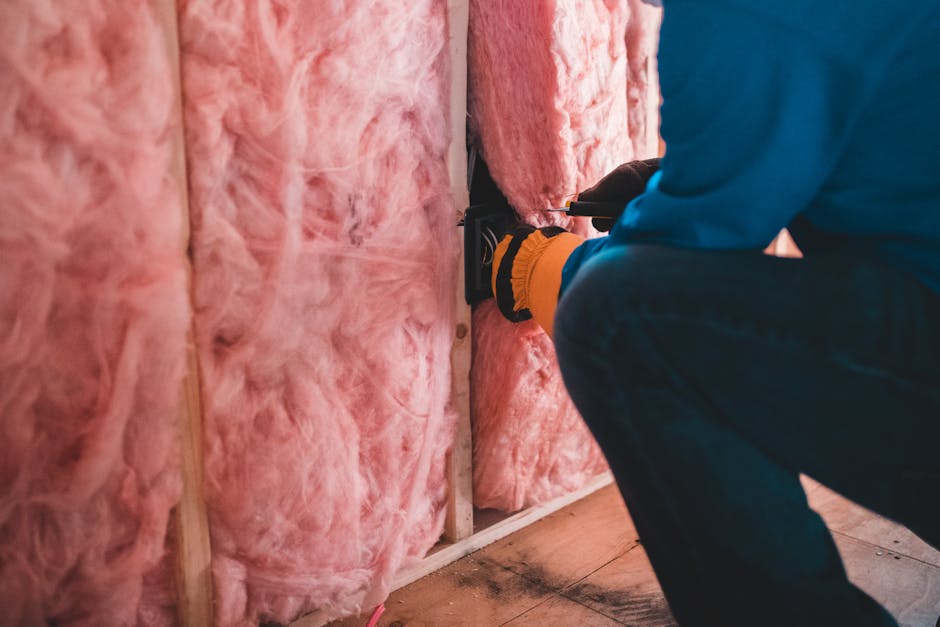
Think of insulation and air sealing as your home’s cozy sweater and windbreaker. Together, they create the perfect defense against Tampa’s persistent heat, cutting up to 45% of energy waste when done right.
In our hot Florida climate, heat is constantly trying to sneak into your nicely cooled home. Without proper barriers, all that expensive conditioned air escapes through tiny cracks while heat comes pouring in, forcing your AC to work overtime (and sending your utility bills through the roof).
The magic happens when you combine professional air sealing with proper insulation. First, we seal all those sneaky gaps around pipes, wires, windows, and other penetrations. Then we add or upgrade insulation to the recommended R-values for our climate zone, with special attention to your attic—the number one culprit for heat gain in Tampa homes.
The return on investment is truly impressive. Attic insulation upgrades offer approximately 107% ROI according to Remodeling Magazine. You’ll literally make money back when you sell your home, plus enjoy immediate energy savings and comfort improvements.
While DIY insulation projects are possible, I’ve seen the difference professional installation makes. Our technicians at Salt & Pepper use specialized equipment like blower doors and infrared cameras to find leakage points that DIYers typically miss. For Tampa’s humid climate, we often recommend spray foam insulation for its superior air-sealing properties and resistance to moisture problems.
Upgrade #2: Heat Pump HVAC & Water Heating
If your HVAC system is more than 10 years old, replacing it with a modern heat pump could be your ticket to significant savings. Heat pumps are efficiency superstars that handle both heating and cooling from a single system.
Unlike traditional systems that generate heat, heat pumps simply move heat from one place to another—from inside to outside when cooling, and vice versa when heating. This approach makes them 2-3 times more efficient than conventional systems, perfect for Tampa’s climate.
The benefits extend to water heating too. Heat pump water heaters extract heat from the surrounding air to warm your water, using dramatically less electricity than standard models. A typical family of four can save about $350 annually just by making this switch.
Beyond the savings, modern heat pumps offer better humidity control (a huge plus in Tampa), quieter operation, and more consistent comfort throughout your home. And don’t forget the federal tax credits of up to $2,000 that can help offset your investment.
For homes with limited ductwork or when adding new living spaces, ductless mini-split heat pumps are a fantastic option. They allow for precise zoning so you’re only conditioning the spaces you’re actually using.
Upgrade #3: Smart Thermostats & Home Automation
Adding brains to your energy efficient home systems takes performance to the next level. Smart thermostats learn your schedule and preferences, automatically adjusting temperatures to save energy when you’re away or asleep.
I’ve seen homeowners save 10-12% on heating and 15% on cooling costs with these clever devices, typically recouping their investment within two years. What’s even better is how they improve your lifestyle while saving energy. Coming home to a perfectly comfortable house without wasting energy all day is the kind of win-win we love at Salt & Pepper.
Today’s smart thermostats do far more than just follow a schedule. They learn your habits, offer smartphone control from anywhere, monitor your system’s health, and provide detailed energy reports to help you save even more. Many can even integrate with other smart home features like lighting, security, and voice assistants.
Speaking of integration, consider expanding beyond thermostats to create a comprehensive energy management system. Smart lighting turns off automatically in empty rooms, intelligent power strips eliminate standby power waste, and automated window coverings adjust based on time and temperature. For the data-lovers among us, whole-home energy monitoring systems can identify exactly where your energy dollars are going.
Upgrade #4: High-Performance Windows & Doors
Windows and doors can be your home’s weakest energy links or valuable efficiency assets—it all depends on what you choose. In Tampa’s climate, the right windows can significantly reduce cooling costs while still providing beautiful views and natural light.
Modern high-performance windows feature low-E glass coatings that reflect heat while allowing light through, multiple panes with insulating gas fill (usually argon), and warm-edge spacers that reduce heat transfer around glass edges. Quality frames made of materials like fiberglass, vinyl, or wood with thermal breaks complete the package.
The energy savings are substantial: ENERGY STAR qualified windows can lower your annual energy bills by 7-15% compared to single-pane windows. Plus, they eliminate hot spots near windows, reduce condensation issues, and even help protect your furniture and flooring from UV damage.
If complete window replacement isn’t in your budget right now, consider strategic approaches: replace only the worst-performing windows first, add storm windows to existing ones, apply window films on east/west-facing windows, or install insulating window treatments. For doors, look for models with built-in insulation cores, proper weatherstripping, and quality thresholds that create a tight seal.
Upgrade #5: Solar Panels & Storage
With our abundant Florida sunshine, solar power is a natural fit for Tampa homes. However, I always advise my clients to implement efficiency upgrades first, then size their solar system based on their reduced energy needs. This approach saves money upfront and improves the system’s overall economics.
A properly designed solar array can dramatically reduce or even eliminate your electric bills while boosting your home’s value. Research published in Nature Energy found that homes with solar panels sell for over 4% more than comparable homes without solar—a significant premium that often exceeds the installation cost.
The ideal setup in Tampa is typically a south-facing roof with minimal shading. Grid-tied systems are most common and cost-effective, allowing you to sell excess power back to the utility. For those seeking resilience during our occasional power outages, battery storage systems can keep essential systems running when the grid goes down.
At Salt & Pepper, we often prepare homes for future solar installation during remodeling projects, ensuring proper electrical infrastructure and optimal roof conditions. This forward-thinking approach makes adding solar much easier down the road.
Upgrade #6: Water-Smart Fixtures & Native Landscaping
Water efficiency is an essential component of energy efficient home systems, particularly in Florida where conservation is increasingly important. What many homeowners don’t realize is that water and energy efficiency are closely connected—especially when it comes to hot water.
Inside your home, WaterSense-labeled fixtures can reduce water use by 20% or more without sacrificing performance. Low-flow showerheads save both water and the energy used to heat it (a double win for your utility bills). High-efficiency toilets use 1.28 gallons per flush or less—a significant improvement over older models that used 3-5 gallons. And efficient faucet aerators maintain pressure while reducing flow, so you’ll hardly notice the difference except in your water bill.
Outside, smart irrigation controllers can save up to 15,000 gallons annually by watering only when necessary. Rain barrels capture roof runoff for garden use, reducing both water consumption and stormwater runoff. Native landscaping requires less water and maintenance while providing habitat for local wildlife.
One of my favorite recommendations for Tampa homeowners is strategic tree planting. Properly placed shade trees can reduce cooling needs by up to 25% while enhancing your property’s beauty and value. Deciduous trees on the south and west sides provide summer shade while allowing winter sun to help warm your home.
Eco-Friendly Bathroom Fixtures
Financing, Incentives & Certifications
Implementing energy efficient home systems doesn’t have to break the bank. In fact, there’s never been a better time to make these upgrades thanks to an impressive array of financial incentives that can dramatically reduce your out-of-pocket costs.
Federal & State Incentives Breakdown
Uncle Sam wants to help you go green! The Energy Efficient Home Improvement Credit (formerly known as 25C) offers some seriously attractive incentives that can put thousands back in your pocket:
You can claim 30% of qualified expenses for improvements installed between January 1, 2023, and December 31, 2032. While there’s an annual cap of $1,200 for most improvements, heat pumps, biomass stoves, and boilers enjoy a higher limit of $2,000.
Looking at specifics, you can claim up to $600 for windows, $250 per door (maxing out at $500 total), and $150 for home energy audits. That adds up quickly!
Here in Tampa, our local utilities are also eager to help. Both Tampa Electric (TECO) and Duke Energy offer generous rebates for AC and heat pump replacements, duct sealing, energy audits, insulation upgrades, and smart thermostat installations.
Not sure what you qualify for? The ENERGY STAR Rebate Finder tool is a great place to start. I also recommend checking directly with your utility provider’s website, as these programs update frequently.
At Salt & Pepper, we’ve helped countless Tampa homeowners steer this incentive landscape. During your remodeling consultation, we’ll identify every possible rebate and tax credit to maximize your savings – it’s all part of our comprehensive approach.
External link to federal rebate details
Certification Paths to Boost Resale Value
Think of energy certifications as your home’s efficiency resume – they provide official validation that your property performs at a higher level. And just like a great resume helps you land a better job, these certifications can help your home command a premium price when it’s time to sell.
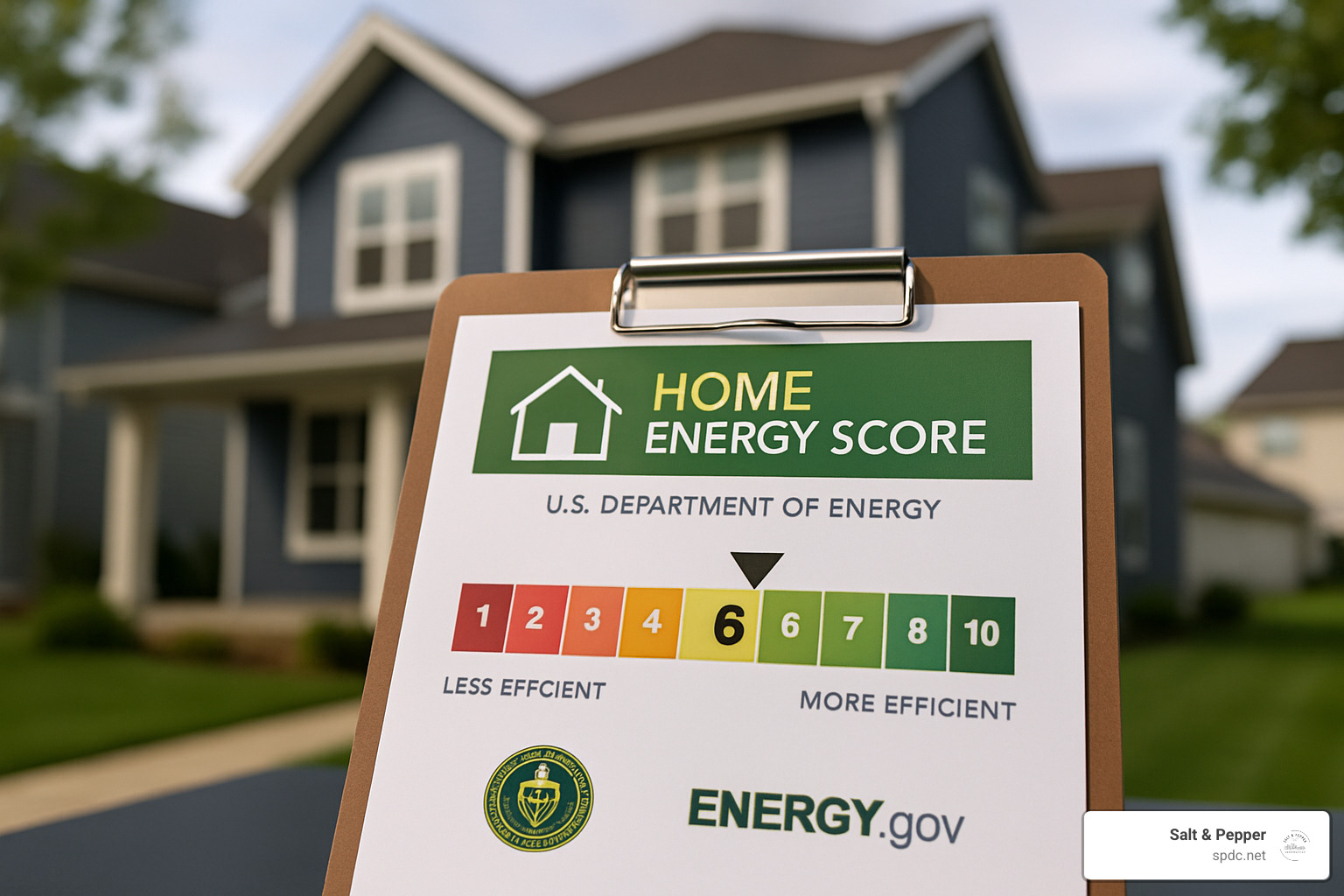
ENERGY STAR Certified Homes meet the EPA’s strict guidelines for efficiency, delivering at least 10% savings compared to standard homes. These homes feature a complete thermal enclosure system, high-efficiency HVAC, comprehensive water management, and energy-efficient lighting and appliances. It’s the certification most buyers recognize immediately.
For those looking to go beyond energy efficiency to overall sustainability, LEED for Homes certification addresses energy, water, materials, and indoor environmental quality. It’s the gold standard for green building and carries significant prestige.
The newer Pearl Certification system specifically documents your home performance upgrades and their value. The results speak for themselves – homes with Pearl Certification sold for an average of 5% more than comparable properties. On a $400,000 Tampa home, that’s a $20,000 premium!
Smart homeowners keep thorough documentation of their efficiency journey. Save your energy audit reports (both before and after), maintain records of utility bills showing improvements, and hold onto receipts and specifications for all upgrades. I always recommend taking photos during installation of items that will eventually be hidden, like insulation and air sealing work.
When it’s time to sell, provide this documentation to your real estate agent and make sure the appraiser sees it too. These professionals can help ensure your efficiency investments are properly valued in the sale price.
At Salt & Pepper, we understand that remodeling is both a lifestyle improvement and a financial investment. Our approach to energy efficient home systems delivers both immediate comfort and long-term value – the perfect combination for Tampa homeowners.
Assessing, Designing & Implementing Energy Efficient Home Systems
Creating an efficient home isn’t about randomly installing eco-friendly products—it’s a journey that requires thoughtful planning and execution. Let me walk you through how we approach this process at Salt & Pepper, where we’ve helped countless Tampa homeowners transform their spaces into comfortable, efficient sanctuaries.
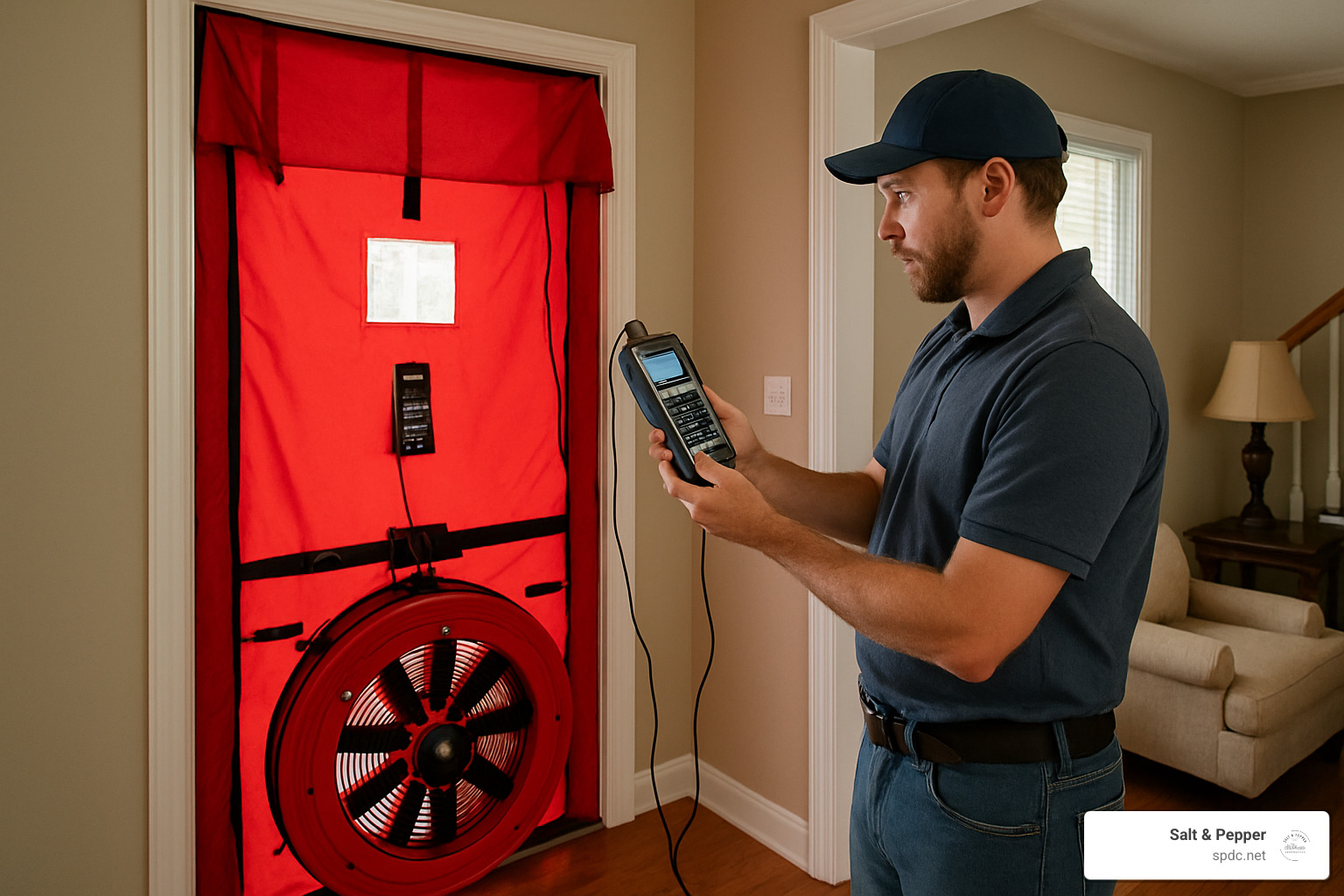
Step 1: Conduct a Professional Energy Audit
Think of an energy audit as your home’s comprehensive physical exam. Without knowing what’s actually happening in your walls, attic, and HVAC system, you’re just guessing at solutions.
When our Tampa clients undergo a professional energy audit, they’re often surprised by what’s finded. That mysterious high energy bill might not be your old AC unit after all—it could be massive air leaks around your recessed lighting or completely missing insulation in key areas.
During a quality audit, a certified professional will use specialized equipment to diagnose your home’s efficiency issues. The blower door test creates a slight pressure difference that reveals hidden air leaks, while infrared scanning shows temperature variations that indicate insulation problems. They’ll also check your duct system for leaks (which typically waste 20-30% of conditioned air) and analyze your utility bills to establish your baseline energy use.
For best results, look for auditors with credentials from RESNET or BPI. These aren’t just fancy acronyms—they represent rigorous training that ensures your auditor knows exactly what to look for in our challenging Florida climate.
Step 2: Prioritize Measures Using ROI & Comfort
Once your audit is complete, you’ll likely face a list of recommended improvements that might feel overwhelming. This is where thoughtful prioritization makes all the difference.
At Salt & Pepper, we help our clients make sense of their options by focusing on three key factors: return on investment, comfort impact, and logical sequencing. Some improvements simply make more financial sense than others—air sealing, for instance, typically delivers the highest ROI of any efficiency upgrade, often paying for itself in just a few years.
Modern energy modeling software allows us to simulate different improvement scenarios for your specific home. This helps answer practical questions like whether you should tackle your leaky windows before upgrading your AC system. (Spoiler alert: fixing the envelope issues first usually makes more sense.)
The sequence matters tremendously. For example, after improving your home’s insulation and air sealing, your existing HVAC system might suddenly be oversized for your new, lower heating and cooling demands. That’s why we recommend a proper Manual J calculation before installing new equipment—it ensures your system matches your improved home’s actual needs, not what it needed before the upgrades.
Step 3: Design for Climate & Lifestyle
Living in Tampa means dealing with our unique hot-humid climate, which presents specific challenges for creating energy efficient home systems. Cookie-cutter approaches that might work perfectly in Arizona or Minnesota can actually create problems here.
For Tampa homes, we often recommend strategies like cool roofs that reflect solar heat rather than absorbing it, strategic window shading (especially on those brutal western exposures), and thoughtful management of humidity separate from cooling. During our milder seasons, designing for natural ventilation can dramatically reduce energy use while improving indoor air quality.
But climate is only half the equation—your lifestyle matters just as much. A family with young children has different comfort needs than a retired couple. Someone who works from home requires different temperature patterns than someone who’s gone 10 hours a day. At Salt & Pepper, we take the time to understand how you actually live in your space before recommending solutions.
I remember working with a Tampa family who loved to entertain outdoors most evenings. We designed their efficiency upgrades to include zoning that allowed them to redirect cooling power to the indoor-outdoor transition spaces during gatherings, while using minimal energy in rarely-used formal areas. The result? Lower bills and greater comfort where it mattered most to them.
Step 4: Hire Qualified Contractors & Verify Work
Even the most expensive, highest-rated efficiency products will underperform (or even create new problems) if they’re installed incorrectly. The quality of installation can easily make or break your energy efficient home systems.
Finding qualified contractors requires looking beyond the lowest bid. Check for relevant certifications like NATE for HVAC professionals or BPI for home performance contractors. These certifications demonstrate that the technicians have specific training in high-performance installations. Ask potential contractors about their experience with energy-efficient projects similar to yours, and don’t hesitate to request references.
Once work begins, stay engaged in the process. When possible, inspect work while it’s in progress—once walls are closed up, it’s much harder to verify what’s inside them. Request commissioning reports for mechanical systems, which document that everything is operating as designed. For major envelope improvements, consider post-installation testing like a follow-up blower door test to verify results.
Finally, don’t forget about maintenance. The most efficient systems still need regular care to maintain their performance. Create a maintenance schedule, keep detailed records of all installations (including warranty information), and consider service contracts for more complex systems.
At Salt & Pepper, we manage this entire process for our Tampa clients, ensuring that all efficiency upgrades meet our exacting standards. We believe that truly energy efficient home systems aren’t just about installing products—they’re about creating a thoughtfully designed, properly installed, and well-maintained home ecosystem that works in harmony with our unique Florida environment.
Frequently Asked Questions About Energy Efficient Home Systems
What is considered an “energy efficient home system”?
When clients ask me this question during a home consultation, I explain that energy efficient home systems are like a well-rehearsed orchestra rather than solo performers. It’s not just about having energy-saving products in your home—it’s about how everything works together in harmony.
Think of it as the difference between having great individual musicians versus a symphony where every instrument complements the others. An energy efficient home system integrates your building envelope (all that good insulation, proper air sealing, quality windows), your mechanical systems (like your HVAC and water heater), your appliances, lighting, and potentially some renewable energy sources like solar panels.
What sets these systems apart from standard homes is performance. While your neighbor might have basic insulation and a conventional AC unit, an energy-efficient home features comprehensive air sealing, higher R-value insulation, and perhaps a high-efficiency heat pump—all thoughtfully sized and designed to work together for maximum efficiency and comfort.
How do I know which upgrades will pay off?
This is perhaps the most common question I hear from Tampa homeowners considering efficiency improvements. Finding the best return on your investment isn’t one-size-fits-all, but there is a method to the madness.
Start with a professional energy audit. This gives you a clear picture of your home’s specific inefficiencies—like a doctor’s diagnosis before prescribing treatment. Once you know exactly where your home is losing energy, you can target those areas first.
Next, weigh costs against savings. Some upgrades with higher price tags (like heat pumps) actually deliver greater long-term savings than less expensive options. The typical ROI hierarchy I’ve observed in Tampa homes puts air sealing at the top (often exceeding 100% ROI), followed by attic insulation (approximately 107% ROI), smart thermostats (typically paying for themselves within 1-2 years), HVAC upgrades (with heat pumps showing a 4.3-7.1% home value increase), and window replacements (which offer lower direct ROI but significant comfort benefits).
Don’t forget to factor in the non-energy benefits too. That quieter, more comfortable home with better indoor air quality might not show up directly on your utility bill, but it dramatically improves your daily living experience. And be sure to research available tax credits, rebates, and utility incentives that can significantly reduce your upfront costs.
At Salt & Pepper, we help our Tampa clients create a prioritized roadmap for improvements based on their specific home conditions, budget constraints, and personal goals. This ensures they get the maximum return—both financial and comfort—on their efficiency investments.
Should I install renewable energy before envelope improvements?
I’ll be straight with you: no, you shouldn’t. I’ve seen too many homeowners rush to install solar panels while their homes are still leaking air like a sieve.
Here’s the simple truth: fix your home’s envelope first, then add renewable energy. It’s like patching the holes in a bucket before deciding how much water to put in it. By lowering your energy needs through proper insulation and air sealing first, you can install a smaller, less expensive renewable energy system later.
Envelope improvements typically offer faster payback than renewable energy systems while immediately improving your comfort. Those solar panels might generate clean electricity, but they won’t stop the hot, humid Tampa air from seeping through your walls or the cool air from escaping.
The smart sequence I recommend to our clients is:
1. Seal air leaks and add proper insulation
2. Upgrade your HVAC system and water heater
3. Improve lighting and appliances
4. Then add renewable energy sized for your now-reduced needs
This logical approach maximizes both financial returns and comfort improvements. In our Tampa projects, I’ve seen clients reduce their solar system size by 20-30% after implementing envelope improvements first—saving thousands on their renewable energy investment while enjoying a more comfortable home in the meantime.
Conclusion
Investing in energy efficient home systems is one of the smartest moves you can make as a Tampa homeowner. Beyond just cutting those monthly utility bills (which is certainly nice!), you’ll be creating a more comfortable living space, boosting your property’s market value, and doing your part for the environment – all at the same time.
What makes the whole-house approach so powerful is that it recognizes your home isn’t just a collection of separate parts – it’s an interconnected system. When your well-insulated building envelope works in harmony with your right-sized HVAC system, efficient water heater, smart lighting, and energy-saving appliances, the results are truly greater than the sum of their parts.

Here at Salt & Pepper, we’ve seen how energy efficiency upgrades transform Tampa homes. Our team understands Florida’s unique climate challenges – that relentless sun and sticky humidity – and we know exactly which solutions will keep you comfortable while keeping those energy bills in check.
I’ve found that clients who accept efficiency during their renovations are consistently the most satisfied with their results. They notice the difference immediately – those even temperatures throughout the house, the whisper-quiet operation of properly sized equipment, and of course, those dramatically lower utility bills.
With 9 out of 10 homebuyers now actively seeking energy-efficient homes, these improvements aren’t just about today’s comfort – they’re about protecting and enhancing your home’s value for years to come. It’s like future-proofing your investment while enjoying all the benefits right now.
If you’re considering making your Tampa home more efficient, I recommend this approach:
- Begin with a professional energy audit to establish your baseline
- Focus first on the improvements with the highest ROI and comfort impact
- Tackle projects in a logical sequence (envelope before equipment!)
- Verify the performance improvements through testing
- Keep detailed records of all upgrades for when it’s time to sell
Whether you’re planning a complete home renovation or looking to make targeted efficiency improvements, our Salt & Pepper team is here to guide you through the process. We serve homeowners throughout Tampa, South Tampa, Clearwater, and Riverview with the same attention to detail and commitment to quality.
Ready to transform your home with energy efficient systems? Let’s talk about how we can integrate these smart upgrades into your next remodeling project.


