

Why Managing a Major Home Renovation Can Feel Overwhelming
House renovation contractor project managers are specialized professionals who oversee your entire remodeling project from planning through completion. Here’s what they do:
- Single point of contact for all project communication and decisions
- Manage schedules, budgets, and subcontractors to keep your renovation on track
- Handle permits, inspections, and quality control throughout the build
- Cost 5-10% of project budget vs. 10-20% for a general contractor
- Join during pre-construction phase and stay through final sign-off
A home remodeling project should be exciting, but it can quickly become stressful. Coordinating trades, managing budgets, and making endless decisions is a huge commitment, especially for homeowners juggling work and family.
Well-managed remodels waste less time and money. A project manager brings structure and expertise to prevent budget overruns, timeline delays, and construction complications, turning potential chaos into a smooth process.
But when do you actually need a project manager versus a general contractor? What’s the difference? And how do you know if hiring one is the right move for your renovation?
As John Doron, owner of Salt & Pepper Construction in Tampa, I’ve seen how house renovation contractor project managers transform complex remodeling projects into smooth, successful experiences by serving as the dedicated liaison between homeowners, designers, and construction teams. In this guide, I’ll walk you through everything you need to know to make the best decision for your renovation.

What is a Renovation Project Manager and What Do They Do?
Think of a renovation project manager as the conductor of an orchestra. While electricians, plumbers, and carpenters each have a part to play, the house renovation contractor project manager ensures they work in harmony to create your dream home.
The project manager’s primary role is to be your single point of contact. Instead of you fielding calls from five different subcontractors, they handle all communication, preventing misunderstandings and keeping everyone on the same page.
Project managers are most valuable when they join during the preconstruction phase. This early involvement allows them to help define the project’s scope, review blueprints for potential issues, and set a solid foundation for success before construction begins.

Once construction starts, a project manager’s work is hands-on. Their key responsibilities include:
- Scheduling subcontractors: They coordinate trades to arrive in the correct sequence, minimizing downtime and keeping the project moving efficiently.
- Material procurement: They handle the complex logistics of ordering and tracking materials, ensuring everything arrives exactly when needed to prevent delays.
- Permit coordination: They steer the confusing world of building permits and inspections, ensuring everything is approved without holding up your timeline.
- Quality control and risk assessment: They regularly inspect the work to ensure it meets high standards and building codes. They also proactively identify potential risks—like structural issues or budget concerns—and develop strategies to address them before they become major problems.
In short, a project manager oversees every detail of your renovation, acting as your advocate and expert guide to ensure your vision becomes a reality.
Project Manager vs. General Contractor: Understanding the Key Differences
Many homeowners assume project managers and general contractors are the same, but they serve distinct purposes. While their roles can overlap, understanding the differences helps you build the right team for your renovation.
Let’s break down the key distinctions:
| Feature | Project Manager (PM) | General Contractor (GC) |
|---|---|---|
| Scope of Work | Holistic oversight: planning, design, budget, schedule, quality, communication, risk management for the entire project lifecycle. | On-site execution: day-to-day construction, managing trades, material ordering, ensuring work is completed according to plan. |
| When Hired | Typically engaged early, in the pre-construction planning phase, supporting from initial concept to final sign-off. | Hired once plans and budget are largely established, primarily for the construction phase. |
| Primary Goal | To protect the owner’s best interests, ensure project success, and deliver on time and within budget. | To build the project efficiently and to specifications, overseeing the physical construction. |
| Typical Cost | 5%-10% of the total project cost. | 10%-20% of the total project cost, or $300-$500 per day. |
The General Contractor (GC): The On-Site Build Leader
The general contractor is the on-site leader who turns plans into reality. Their responsibilities include daily construction oversight, managing and scheduling tradespeople, handling on-site operations like safety, and purchasing materials to ensure the work is completed according to the approved plans. Crucially, GCs must be licensed in most states, which ensures they meet industry standards and carry proper insurance for your protection.
The Project Manager (PM): The Strategic Project Overseer
While a GC focuses on how to build, a house renovation contractor project manager provides big-picture oversight on the what and when of the entire project, from concept to final walkthrough. A PM is your advocate, dedicated to representing your interests. They safeguard your budget and timeline through careful tracking and proactive problem-solving. This advocacy is valuable when conflicts arise. If an issue develops with the building design, the architect will naturally focus on protecting the design vision, while a construction manager might prioritize constructability. Your project manager mediates these discussions, negotiating solutions that serve your best interests.
A Deeper Dive: Owner’s Project Manager (OPM) vs. Construction Manager (CM)
For larger projects, you might encounter specialized PMs. An Owner’s Project Manager (OPM) is your direct representative, focused solely on protecting your interests. A Construction Manager (CM) focuses more on the construction phase itself. As projects become more complex, a dedicated advocate like an OPM ensures your vision remains the priority among multiple stakeholders and regulations. The need for OPMs has grown with project complexity.
At Salt & Pepper, our integrated team provides the strategic oversight of a PM and the hands-on leadership of a GC, ensuring your interests are always at the center.
The Core Benefits: How House Renovation Contractor Project Managers Add Value
When you hire a house renovation contractor project manager, you’re investing in expertise that transforms your renovation experience.
The most immediate benefit is peace of mind. A skilled project manager prevents budget overruns, timeline delays, and construction complications, allowing you to sleep at night instead of worrying about what might go wrong. This expertise also delivers real cost savings. While a PM fee is an investment, it pays for itself by creating efficiencies and preventing expensive mistakes.
Project managers also provide access to trusted industry contacts. At Salt & Pepper, our years of building relationships with reliable vendors and skilled tradespeople mean you get competitive pricing, priority scheduling, and high-quality work.
Mastering Your Budget and Schedule
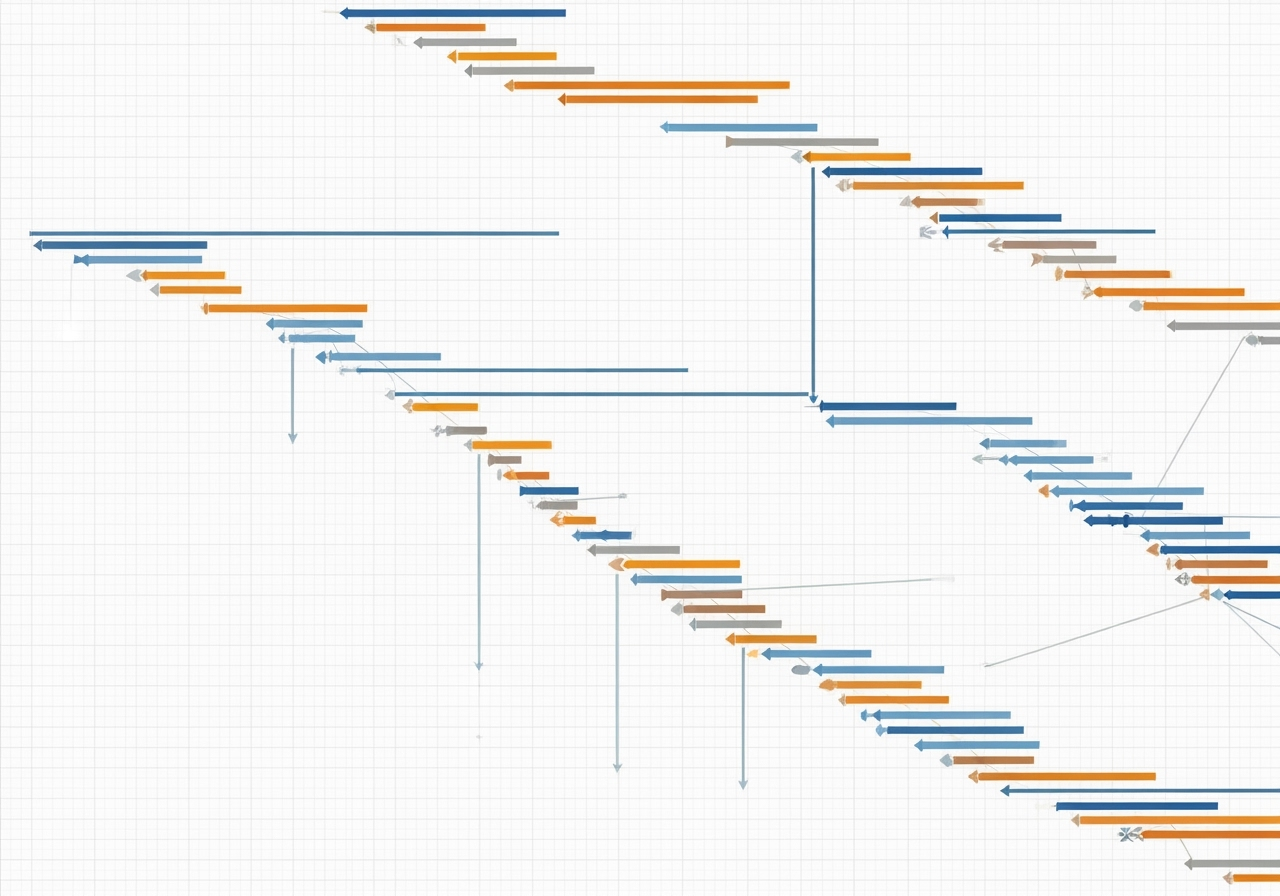
A good project manager earns their keep by mastering the two areas where renovations often go wrong: budget and schedule.
- Budget Management: A PM acts as your financial guardian, tracking every dollar and providing transparent reports. This continuous oversight prevents surprises and keeps costs in check.
- Time Management: A PM coordinates material lead times and sequences trades logically. This prevents the costly rework and delays that plague poorly managed projects. If you have a hard deadline, a PM is essential for keeping the project on track.
Ensuring Quality, Safety, and Peace of Mind
Beyond time and money, house renovation contractor project managers ensure the final product is what you envisioned and is built safely.
- Quality Management: Regular inspections ensure work meets high standards and building codes. Issues are caught early when they are easy and inexpensive to fix.
- Safety Management: This includes enforcing job site safety protocols and ensuring the use of safe, non-toxic materials in your home.
Throughout the process, your PM is your primary liaison and advocate. They translate construction jargon, keep you informed, and ensure the project stays true to your vision.
Deciding and Hiring: When and How to Bring a PM on Board
So, do you need a house renovation contractor project manager for your Tampa renovation? The answer depends on your project’s complexity, your available time, and your own experience. Ask yourself these key questions:
- How complex is the project? A simple bathroom refresh is very different from a whole-home remodel or an addition. The more moving parts (structural changes, multiple rooms), the more you need a PM.
- How much time can you commit? Renovations demand quick decisions and frequent check-ins. If you can’t be responsive during work hours, a PM is essential to prevent bottlenecks.
- What is your experience level? If this is your first major renovation, a PM provides the construction expertise and knowledge of building codes that you may lack.
- Do you have a hard deadline? If you need the project done by a specific date, a PM’s scheduling expertise is critical to meeting your goal.
- Are you comfortable delegating? A PM will be the primary point of contact and make day-to-day decisions. You must be comfortable letting them take the lead.

When to Hire a House Renovation Contractor Project Manager
You should strongly consider hiring a PM for:
- Large-scale projects like full kitchen and bathroom remodels or room additions.
- Complex renovations that involve structural changes or significant plumbing and electrical work.
- Situations where you lack the time or expertise to manage the project yourself.
- Projects involving multiple stakeholders (architect, designer, subcontractors) who need coordination.
What to Look For in a House Renovation Contractor Project Manager
Whether hiring independently or working with a firm like Salt & Pepper, look for these qualities:
- Experience: Look for at least five years of hands-on residential construction experience. A proven track record is more important than certifications like PMP, though they are a plus.
- Technical Knowledge: They must have a deep understanding of construction methods and be able to interpret blueprints to spot potential issues.
- Communication Skills: Excellent communication is non-negotiable. Your PM must be a transparent, proactive communicator who can explain complex topics clearly.
- Problem-Solving Ability: Great PMs don’t just identify issues; they provide creative solutions and take ownership of getting things back on track.
- Use of Technology: Modern PMs use cloud-based software to improve coordination and provide you with real-time access to schedules and progress.
- References: Always check references and review their portfolio. Ask past clients about their communication style and how they handled problems.
Understanding the Costs
Project manager fees typically run 5% to 10% of your total project cost, compared to a general contractor’s fee of 10% to 20%. Don’t view the PM fee as an extra expense, but as an investment that protects your larger investment in the renovation.
An experienced project manager saves you money by leveraging industry contacts for better pricing, sequencing work efficiently to reduce labor costs, and catching problems when they are cheap to fix. In construction, time is money. A PM’s ability to keep the project on schedule often pays for their fee several times over by avoiding costly delays.
Frequently Asked Questions about House Renovation Professionals
Homeowners planning renovations often have similar concerns and questions. Let me address the most common ones we hear at Salt & Pepper:
Can my general contractor also be my project manager?
Yes, this is common, especially with design-build firms like ours. The key is having a single, dedicated point of contact who oversees communication, scheduling, and the budget. At Salt & Pepper, our house renovation contractor project managers serve this central role, acting as the liaison between you and our construction team to ensure a smooth process.
Do house renovation project managers need a specific license?
Unlike general contractors, project managers don’t typically need a state license. However, a reputable PM should have extensive experience, a strong background in construction, and possibly professional certifications (like PMP). What matters most is a proven track record on projects similar to yours. At Salt & Pepper, we ensure our PMs have the experience and team support to deliver excellent results.
What is the biggest red flag when hiring for a renovation?
The biggest red flag is a vague or incomplete proposal and contract. A professional should provide a detailed scope of work, itemized costs, a clear payment schedule tied to project milestones, and proof of license and insurance without hesitation.
Other red flags include missing or expired licenses, large upfront payment demands, poor references, and unclear communication during the bidding process.
Our advice? Get at least three bids for your home renovation project. Don’t just look at the price; compare the details in the scope of work. The cheapest bid often becomes more expensive later when unaccounted-for costs arise. A thorough, transparent proposal is the foundation of a successful project.
Conclusion: Your Partner for a Successful Tampa Renovation
Starting a home renovation is exciting—but it’s also one of the biggest investments you’ll make. The difference between a project that brings joy and one that brings headaches often comes down to one thing: having the right team in place. House renovation contractor project managers are the professionals who turn complex remodels into smooth, successful experiences, providing the strategic oversight and detailed coordination that brings your vision to life without the stress.

Throughout this guide, we’ve explored how project managers deliver real, tangible value. They provide reduced stress by handling the endless details and coordination that can overwhelm homeowners. They ensure on-time and on-budget completion through expert scheduling and financial oversight. And perhaps most importantly, they deliver high-quality results that meet or exceed your expectations, because they’re there checking every detail from start to finish.
For complex projects—whether it’s a complete kitchen makeover in South Tampa, a room addition in Riverview, or a whole-home renovation anywhere in the Tampa area—having an expert team manage the process isn’t just helpful, it’s invaluable. These aren’t small weekend projects. They’re major changes that require coordination between designers, architects, multiple trades, suppliers, and permitting offices. That’s where a dedicated project manager becomes your advocate and your peace of mind.
At Salt & Pepper, we’ve built our reputation on three pillars: innovative designs that reflect your unique style, quality craftsmanship that stands the test of time, and comprehensive project management that keeps everything running smoothly. We believe that good project management isn’t just a nice-to-have—it’s the foundation of every successful renovation. Our dedicated team guides you through every decision, milestone, and challenge, so you can focus on the excitement of change rather than the stress of construction.
Think of us as your partner, not just your contractor. We’re here to protect your investment, honor your vision, and deliver a finished project that makes you proud to call it home.
Ready to transform your home with confidence? Let’s talk about your renovation goals and how we can bring them to life.


